
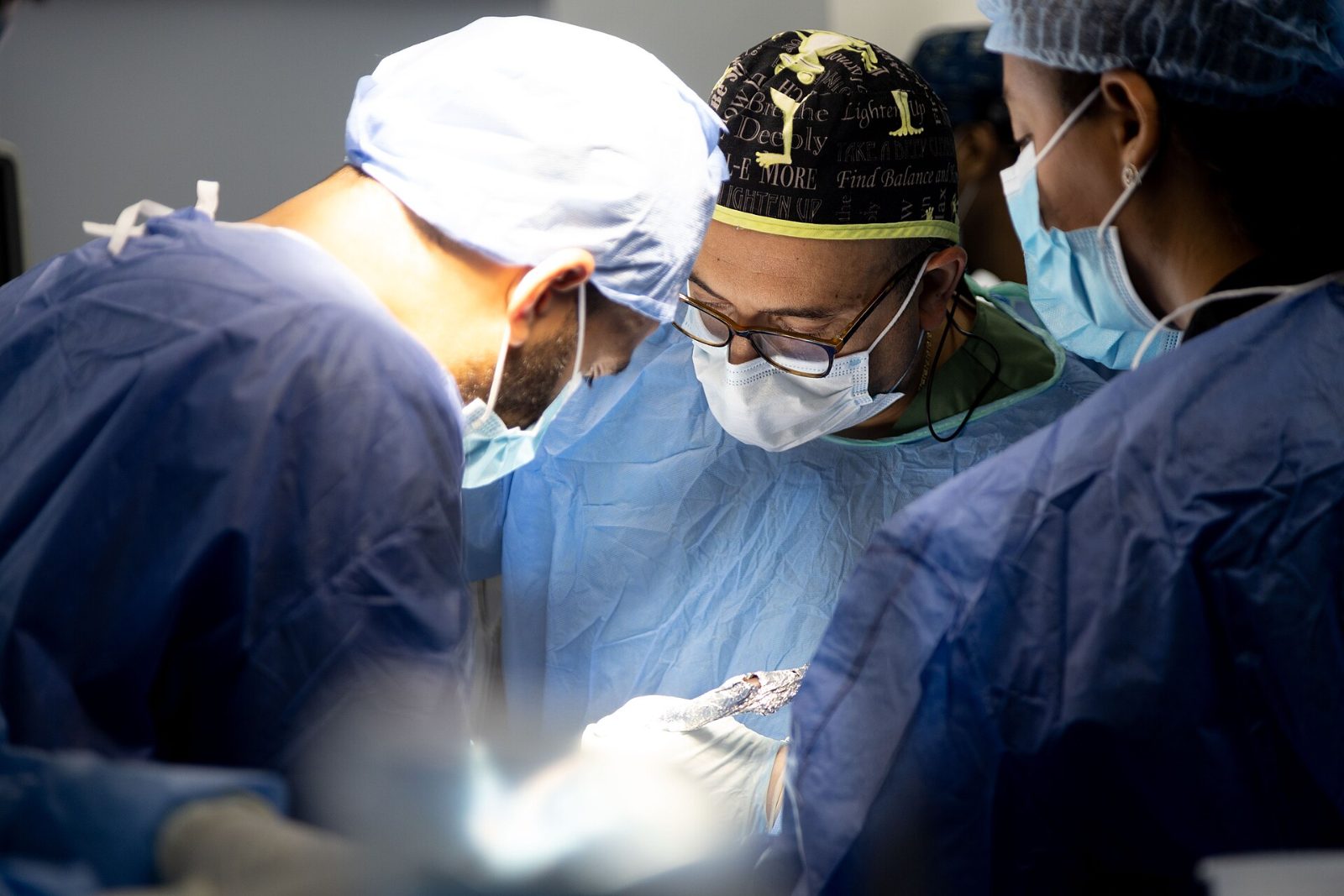
Dental implants in Abu Dhabi replace missing teeth with a small titanium or zirconia post placed in the jawbone, which later supports a crown, bridge or denture. Treatment is provided by dentists and oral surgeons licensed by the Department of Health Abu Dhabi, and it usually takes several months from assessment to the final tooth because the bone needs time to bond with the implant.
In this guide
How an implant is built
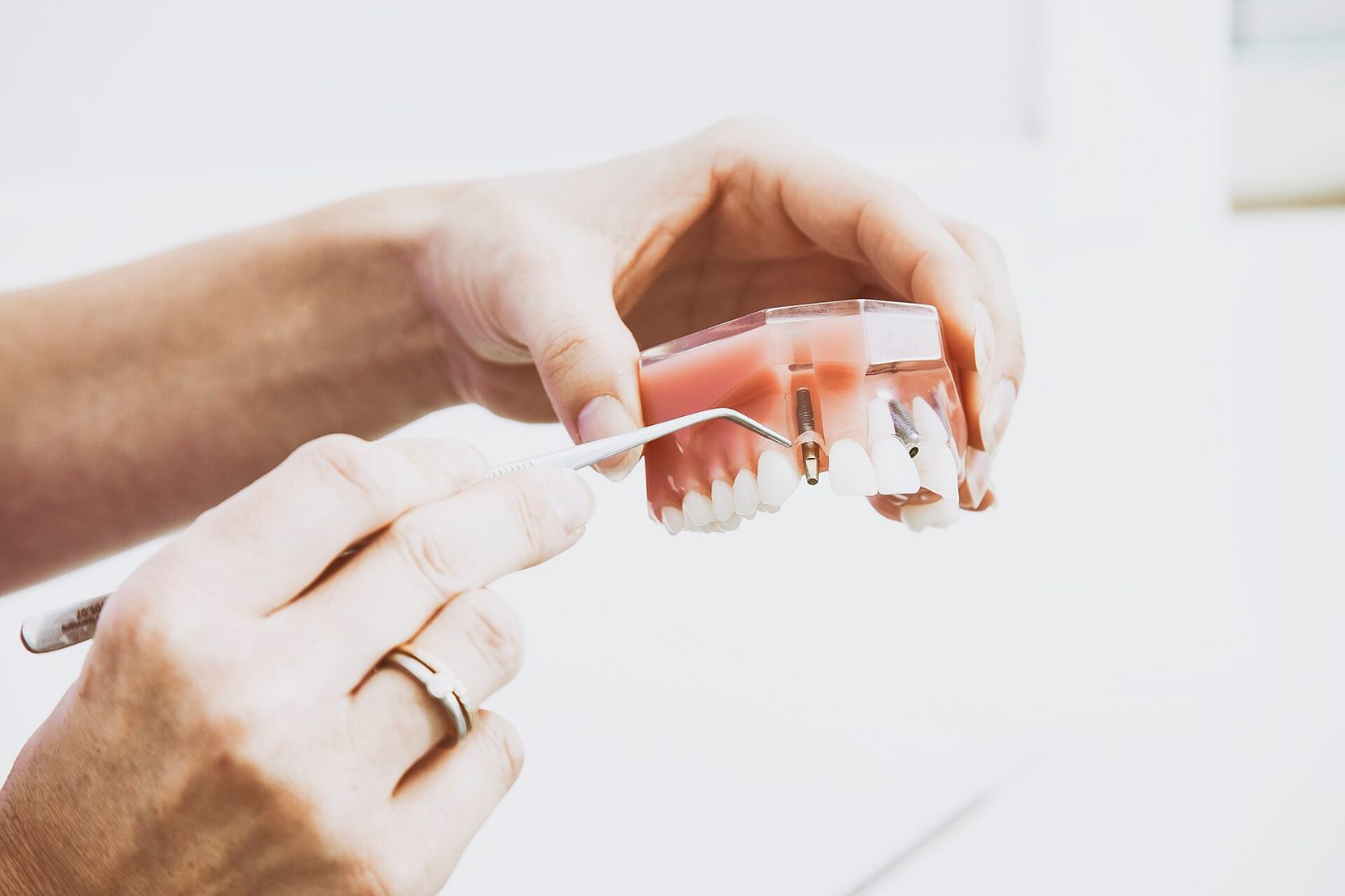
An implant restoration has three parts:
- The implant. A screw-shaped post, usually titanium or a titanium alloy, sometimes zirconia, placed into the jawbone where the root used to be.
- The abutment. A connector that attaches to the implant and rises above the gum.
- The restoration. A crown for one tooth, a bridge for several teeth, or a denture that clips onto implants.
Over the healing period, bone grows closely around the implant surface in a process called osseointegration. This is what makes implants stable enough to chew on.
Implant, bridge or denture?
Implants are not the only way to replace a missing tooth. Our implant vs bridge vs denture comparison goes into detail, but here is a summary.
| Option | Effect on neighbouring teeth | Treatment time | Surgery | Typical considerations |
|---|---|---|---|---|
| Single implant and crown | Leaves them untouched | Several months | Yes | Needs enough healthy bone |
| Fixed bridge | Neighbouring teeth are shaped for crowns | Weeks | No | Good if neighbours already need crowns |
| Removable partial denture | Clasps may rest on teeth | Weeks | No | Lower cost, less stable |
| Implant-supported denture | Not applicable | Months | Yes | More stable than a conventional denture |
Who is a good candidate
Most healthy adults who have lost teeth can be assessed for implants. The dentist will look at:
- Bone quantity and quality, usually with a 3D cone beam CT scan
- Gum health, since active gum disease must be treated first
- General health, including diabetes control, heart conditions, osteoporosis medicines and any history of radiotherapy to the head and neck
- Smoking, which raises the risk of implant problems
- Bite and grinding habits, which affect the design of the restoration
Discuss these with your dentist before treatment
- Smoking or shisha use
- Diabetes, especially if blood sugar is not well controlled
- Medicines for osteoporosis or cancer that affect bone, such as bisphosphonates
- Blood thinners or bleeding disorders
- Previous radiotherapy to the jaw area
- Pregnancy, when elective surgery is usually postponed
The treatment journey step by step
- Consultation and scan. Your dentist examines your mouth, takes X-rays or a CT scan and discusses options and costs.
- Preparatory work. This may include extractions, treatment of gum disease, bone grafting or a sinus lift in the upper jaw if bone is thin.
- Implant placement. Under local anaesthetic, sometimes with sedation, the implant is placed in the bone.
- Healing. Bone bonds to the implant over a period that commonly runs to a few months. A temporary tooth may be provided.
- Abutment and impressions. Once the implant is stable, the abutment is attached and scans or impressions are taken.
- Final restoration. The crown, bridge or denture is fitted and adjusted.
- Maintenance. Regular check-ups and hygiene visits keep the gums around the implant healthy.
Some patients may be suitable for faster approaches such as immediate implants or same-day temporary teeth, but this depends on bone quality and stability, and not everyone qualifies.
An implant is only as healthy as the gum and bone around it. Daily cleaning matters as much as the surgery itself.

Recovery after implant surgery
Most people feel some swelling and tenderness for a few days after placement, sometimes with mild bruising. Your dentist will usually advise soft foods for a short period, gentle rinsing as instructed, avoiding smoking and strenuous exercise for a few days, and sleeping with your head slightly raised the first night. Follow the specific written instructions you are given, since they depend on how many implants were placed and whether grafting was done.
Risks and red flags
Most implant procedures go smoothly, but every surgery carries risks. These include infection, bleeding, swelling and bruising, damage to nearby teeth, nerve injury causing numbness in the lip or chin, sinus problems with upper implants, and failure of the implant to bond with the bone. Over the long term, the gum and bone around implants can become inflamed, a condition known as peri-implantitis.
Contact your dentist promptly if you notice increasing pain or swelling after the first few days, fever, pus, numbness that does not wear off after the anaesthetic, a loose implant or crown, or bleeding gums around an implant.
Practical points in Abu Dhabi
- Licensing. Check that the clinic and dentist are licensed by the Department of Health Abu Dhabi. Ask who will place the implant: a general dentist with implant training, an oral surgeon or a periodontist.
- Implant brand. Ask which implant system is used and whether parts will be available for future repairs.
- Insurance. Many health insurance plans in the UAE limit or exclude implants. Check your policy and ask the clinic about pre-approval.
- Cost. Prices vary between clinics and depend on scans, grafting, the implant system and the type of crown. Ask for an itemised written plan.
- Timing. Plan around travel and work, since several appointments spread over months are usually needed.
Caring for implants
- Brush twice daily and clean between teeth with floss, interdental brushes or a water flosser
- Do not smoke, especially during healing
- Wear a night guard if you grind your teeth
- Keep regular check-ups so problems are found early
Frequently asked questions
How long do dental implants last?
Many implants last for many years with good care, but the crown on top may need replacing over time. Smoking, gum disease and grinding affect long-term success.
Is getting an implant painful?
Placement is done under local anaesthetic, so you should feel pressure but not sharp pain. Soreness and swelling afterwards are usually managed with painkillers advised by your dentist.
Can I have an implant if I have lost bone?
Often yes, with bone grafting or a sinus lift beforehand, or by using different implant designs. A CT scan helps the dentist plan the best approach.
Are dental implants safe for people with diabetes?
Many people with well-controlled diabetes have implants successfully. Poorly controlled blood sugar raises the risk of infection and implant failure, so discuss this with your doctor and dentist.
Sources: Department of Health Abu Dhabi, American Dental Association: MouthHealthy, NHS: Dental implants
Last reviewed: 2026-11-25. General information only, not medical advice. Please consult a licensed practitioner in the UAE about your own situation.
Leave a Reply