
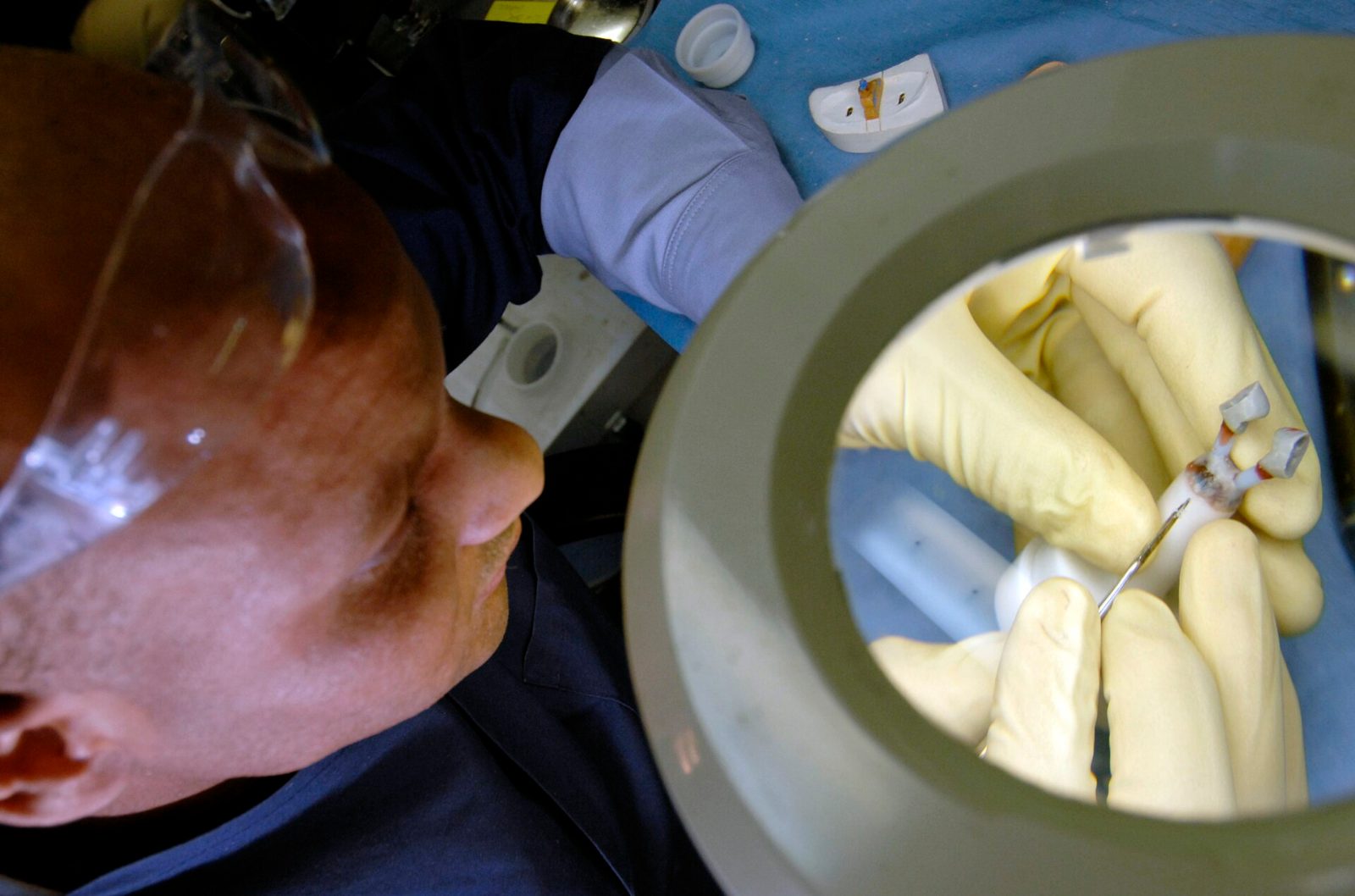
Feldspathic veneers are thin shells of traditional, hand-layered dental porcelain bonded to the front of the teeth. They are prized for their lifelike translucency and can be made extremely thin, but they are more fragile than pressed or milled ceramics such as E.max, so case selection and the skill of the ceramist matter a great deal.
In this guide
- What feldspathic porcelain actually is
- How feldspathic compares with other veneer materials
- Who tends to be a good candidate
- The treatment process, step by step
- Bonding: why it is so important for feldspathic
- How long do feldspathic veneers last?
- Cost and choosing a clinic in the UAE
- Frequently asked questions
What feldspathic porcelain actually is
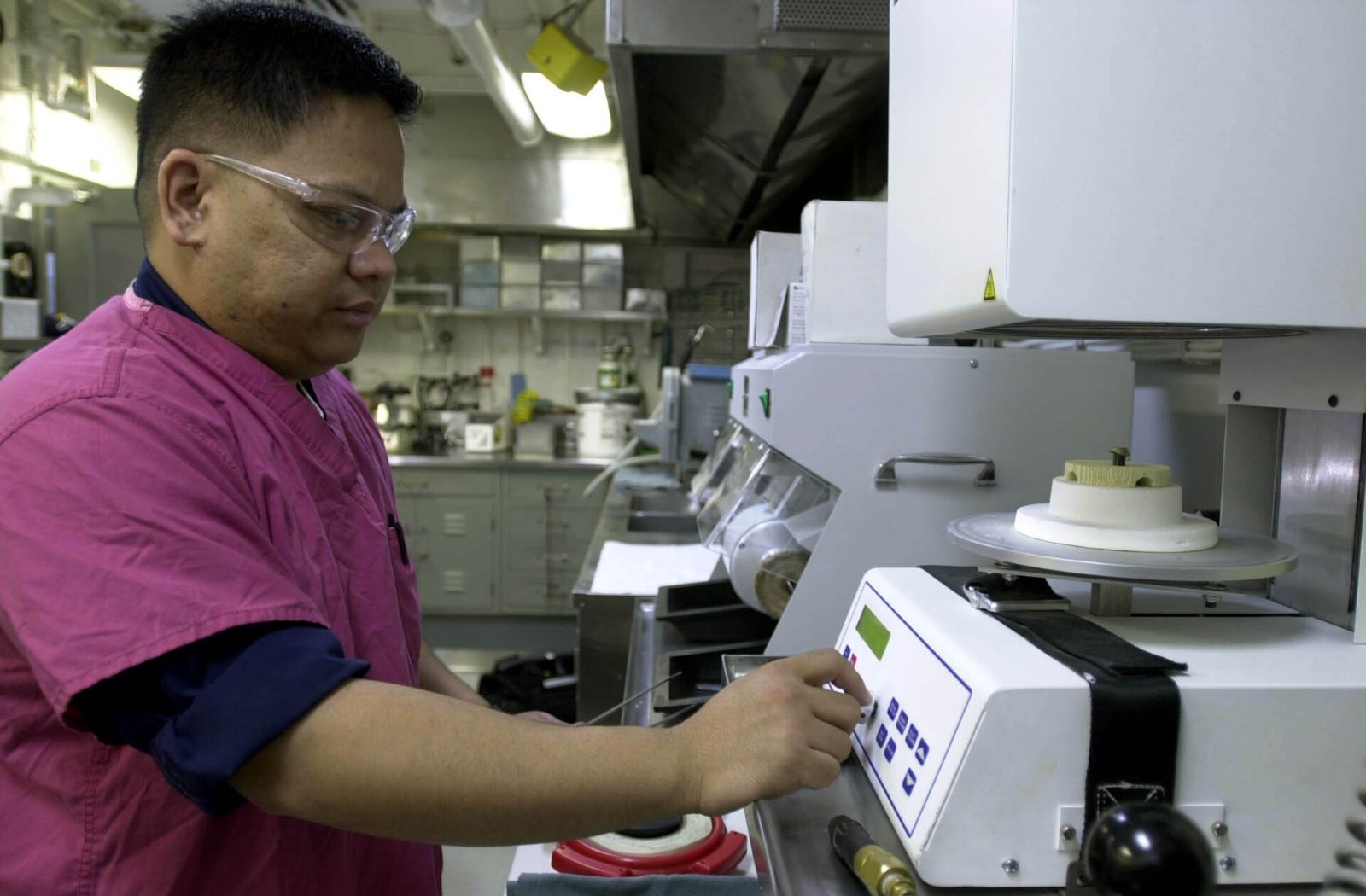
Feldspathic porcelain is the oldest family of dental ceramics. It is a glassy material made mainly from feldspar, quartz and small amounts of other minerals, and it has been used for crowns and veneers for decades. Instead of being pressed or milled from a single block, a feldspathic veneer is usually built up layer by layer by a dental technician, then fired in a furnace.
That layering is the reason people choose it. The technician can place slightly different shades and translucencies in each layer, imitating the way natural enamel lets light pass through the biting edge and looks warmer near the gum. In skilled hands the result can be very hard to tell apart from a natural tooth.
How feldspathic compares with other veneer materials
The main alternatives in UAE clinics are lithium disilicate (often sold under the brand name E.max), zirconia-based veneers and composite resin. Our veneer materials comparison goes into more detail, but the short version looks like this:
| Feature | Feldspathic porcelain | Lithium disilicate (E.max) | Composite resin |
|---|---|---|---|
| How it is made | Hand-layered and fired by a ceramist | Pressed or milled from an ingot or block | Sculpted in the mouth or made in a lab |
| Thickness possible | Very thin | Thin | Varies |
| Aesthetics | Excellent translucency when well made | Very good, can be layered too | Good, can dull over time |
| Strength | Lower | Higher | Lowest, but easy to repair |
| Repairability | Usually replaced if chipped | Usually replaced if chipped | Often repaired chairside |
| Typical lab time | Longer | Moderate | Same day possible |
None of these is “best” for everyone. Feldspathic is often favoured for a small number of front teeth where appearance is everything and the bite is gentle. Lithium disilicate is often favoured where more strength is needed.
Who tends to be a good candidate
A dentist will look at the whole mouth before recommending any veneer. Feldspathic veneers are more often suggested when:
- the teeth are healthy, with plenty of enamel left for bonding
- the changes needed are mainly colour, small chips, minor gaps or slight shape issues
- the person wants little or no tooth reduction
- the bite does not put heavy force on the front teeth
They are less suitable, or need extra caution, in people who grind or clench (bruxism), have an edge-to-edge bite, bite their nails or chew hard objects, or have large old fillings on the front teeth.
When to pause and get it checked first
- Bleeding or receding gums, which should be treated before any cosmetic work
- Active tooth decay or a tooth that is sensitive to biting
- Jaw pain, clicking or worn, flattened teeth that suggest grinding
- Any loose tooth
Veneers sit on top of the teeth. They do not fix underlying disease, and placing them over an untreated problem usually shortens their life.
The treatment process, step by step
Exact protocols differ between clinics, but most feldspathic veneer cases follow a similar path.
- Consultation and records. Photos, X-rays and scans or impressions. Many clinics also make a diagnostic wax-up or digital design to preview the shape.
- Mock-up. A temporary resin overlay can be tried in the mouth so you can see proportions before any tooth is touched.
- Preparation. Because feldspathic porcelain can be made thin, preparation is often minimal and kept within enamel where possible. In some cases there is no preparation at all.
- Impressions and shade matching. The lab receives photos and shade notes. Good communication here matters more than with almost any other material.
- Lab fabrication. The ceramist builds and fires the porcelain in layers. This usually takes longer than milled options.
- Try-in and bonding. The veneers are checked for fit and colour, the inside is etched and treated, and they are bonded with resin cement.
- Bite check and review. The dentist adjusts contacts and may recommend a night guard.
Bonding: why it is so important for feldspathic
Feldspathic porcelain gets much of its real-world strength from the bond to enamel. On its own a thin shell would break easily; once it is properly bonded, the tooth and the veneer behave much more like one unit. That is why dentists prefer to keep preparation in enamel and why moisture control during bonding is taken seriously.
With feldspathic veneers, the bond to healthy enamel is a large part of the strength, not an afterthought.
How long do feldspathic veneers last?
Well-made porcelain veneers bonded to enamel are often reported to last 10 to 15 years or longer, but individual results vary widely. Factors that shorten their life include grinding, biting hard objects, gum recession around the edges and poor home care. Porcelain does not stain like natural teeth or composite, but the bonding line at the edges can pick up stain over many years.
Habits that protect thin porcelain
- Wear a night guard if your dentist suggests one
- Do not open packaging or bottles with your teeth
- Cut hard foods such as nuts in shells or hard toffee into small pieces, or avoid them
- Keep up regular check-ups and hygiene visits
Cost and choosing a clinic in the UAE
Prices for feldspathic veneers vary a lot between clinics in Dubai, Abu Dhabi and the other emirates. They depend on the dentist, the laboratory used, the number of teeth, any treatment needed first and whether a mock-up and night guard are included. Because the material is labour-intensive, it is often priced at or above other porcelain options, but the only reliable way to know is a written quote after an examination.
When comparing clinics, it helps to ask:
- Is the dentist licensed by the DHA in Dubai, DOH in Abu Dhabi or MOHAP in the northern emirates? You can check licences through the relevant authority.
- Which laboratory makes the veneers, and is it local or abroad?
- Can you see a mock-up before preparation?
- What happens if a veneer chips or debonds in the first years?
- Is a night guard included?
Be cautious of offers that promise a full set in one or two days with feldspathic porcelain. The layered process usually takes longer.
Frequently asked questions
Are feldspathic veneers better than E.max?
Neither is better in every case. Feldspathic can look slightly more natural in expert hands and can be thinner, while E.max is stronger and more forgiving. Your bite, enamel and goals decide which suits you.
Do feldspathic veneers need the teeth to be shaved?
Often only a small amount of enamel is reshaped, and some cases need no preparation. This depends on the starting position and colour of your teeth, so ask to see a mock-up first.
Can a chipped feldspathic veneer be repaired?
Small chips can sometimes be polished or patched with composite, but larger damage usually means making a new veneer.
Can I whiten my teeth after getting feldspathic veneers?
Whitening products do not change the colour of porcelain. If you want whiter teeth overall, whitening is usually done before the veneers so they can be matched to the new shade.
Are veneers safe during pregnancy?
Elective cosmetic work is usually postponed during pregnancy. Speak with your dentist and doctor about timing.
Sources: American Dental Association, Dubai Health Authority, NHS
Last reviewed: 2026-11-25. General information only, not medical advice. Please consult a licensed practitioner in the UAE about your own situation.
Leave a Reply