

The safest way to whiten teeth for most adults is dentist-supervised whitening, usually custom-fitted take-home trays with a low-to-moderate peroxide gel, started after a check-up and cleaning. In-chair whitening is also safe when done by a dentist with proper gum protection. The riskiest options are unregulated kits, very strong gels bought online, acidic home remedies and whitening done by non-dental providers.
In this guide
- Safety starts before any whitening
- Methods ranked by risk
- How each method compares
- Why trays are often considered the safest active option
- What makes in-chair whitening safe or unsafe
- Matching the method to the stain
- Methods to avoid
- Who should not whiten, at least for now
- The safest way to keep results
- Finding a safe provider in the UAE
- Frequently asked questions
Safety starts before any whitening
Most whitening problems happen not because the gel is dangerous in itself, but because it is used on teeth that were not ready. Decay, leaking fillings, cracks, exposed roots and gum disease can all make whitening painful or harmful. A check-up finds these first.
What a pre-whitening check covers
- Decay and the condition of existing fillings
- Gum health, recession and exposed roots
- Cracks and worn enamel
- The cause of discolouration, which decides whether whitening will work
- Crowns, veneers and bonding that will not change colour
A professional cleaning at the same visit also removes surface stains and tartar, so you can see your true shade before deciding how much whitening you need. Sometimes the cleaning alone is enough.
Methods ranked by risk
The chart shows a general pattern, not a measurement. Strips sit higher mainly because they are used without a dental check and fit imperfectly, so gel can sit on gums.
How each method compares
| Method | How it works | Main risks | Who it suits |
|---|---|---|---|
| Professional cleaning | Removes surface stain and tartar | Minimal | Everyone; first step |
| Fluoride whitening toothpaste | Mild polishing; some contain low peroxide | Abrasion if very gritty | Maintaining results; light surface stain |
| Dentist take-home trays | Custom trays with peroxide gel worn for set times | Sensitivity, gum irritation if overfilled | Most adults with healthy teeth |
| In-chair whitening | Higher-strength gel with gum barrier, sometimes a light | Sensitivity, short-term gum irritation | People wanting quicker results under supervision |
| Strips and paint-on gels | Low-strength peroxide on a film or brush | Uneven results, gum irritation, no dental check | Mild staining in people with healthy teeth |
| Unregulated kits and remedies | Unknown gels, acids or abrasives | Burns, enamel erosion, unknown ingredients | Not recommended |
Why trays are often considered the safest active option
Custom trays are made from impressions or scans of your teeth, so they hold the gel against the teeth rather than the gums. The dentist chooses the concentration and wear time, can lower it if you get sensitivity, and can check progress. Results build gradually, which makes it easier to stop at a natural shade. The trays can be reused for occasional touch-ups.
What makes in-chair whitening safe or unsafe
In-chair treatments use stronger gels for a shorter time. They are safe when:
- A dentist or supervised dental professional carries out the treatment
- Gums are fully protected with a barrier
- Lips, cheeks and eyes are protected, especially if a light is used
- Sessions are stopped or shortened if you feel pain
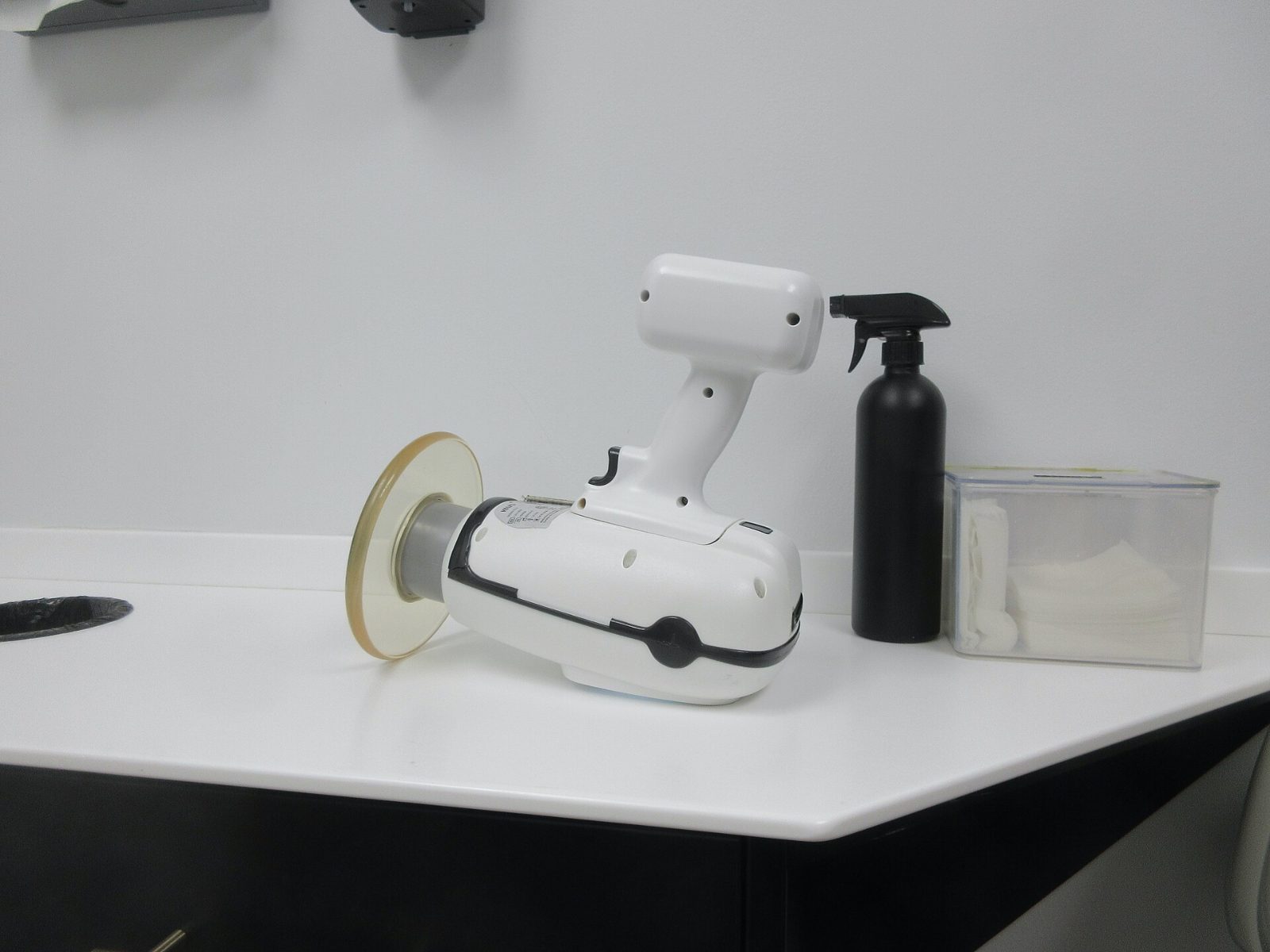
For more on lights, see our guide to UV and LED whitening side effects.
Matching the method to the stain
Safety and effectiveness go together. Surface stains from coffee, tea and smoking respond well to cleaning and then to gentle peroxide treatment, so a strong in-chair session is often unnecessary. Yellowing from ageing usually whitens well with trays over a couple of weeks. Grey or banded discolouration, sometimes linked to medicines taken in childhood, responds slowly and may need longer tray treatment or restorations instead. A single tooth that has darkened after a knock may have a nerve problem; whitening the whole mouth will not fix it and could hide a condition that needs treatment. Knowing the cause first stops you from using more gel, for longer, than your teeth need.
Methods to avoid
Not recommended
- Lemon juice, vinegar, apple cider vinegar or strawberry and baking soda mixtures, which can erode enamel
- Gels with no clear ingredient list or concentration, often sold online or in markets
- Whitening offered in salons, spas or kiosks without a dentist
- Using strips or gels more often or for longer than the instructions say
- Abrasive powders used daily
Who should not whiten, at least for now
Whitening is usually postponed or avoided if you are pregnant or breastfeeding, are under 18 without a dentist’s specific advice, have untreated decay or gum disease, have significant gum recession or exposed roots, have a known allergy to peroxide, or have severe sensitivity. Some discolouration, such as stains from certain childhood medicines or a single dark tooth after injury, needs a different approach, and a dentist can explain options.
The safest way to keep results
Safety also means not over-whitening. Repeating treatments too often can increase sensitivity and, in some cases, make teeth look translucent or bluish at the edges. A sensible pattern is to whiten once to your target shade, then maintain with good habits and occasional touch-ups as your dentist suggests.
Habits that reduce the need for re-whitening
- Rinse with water after coffee, tea, karak and cola
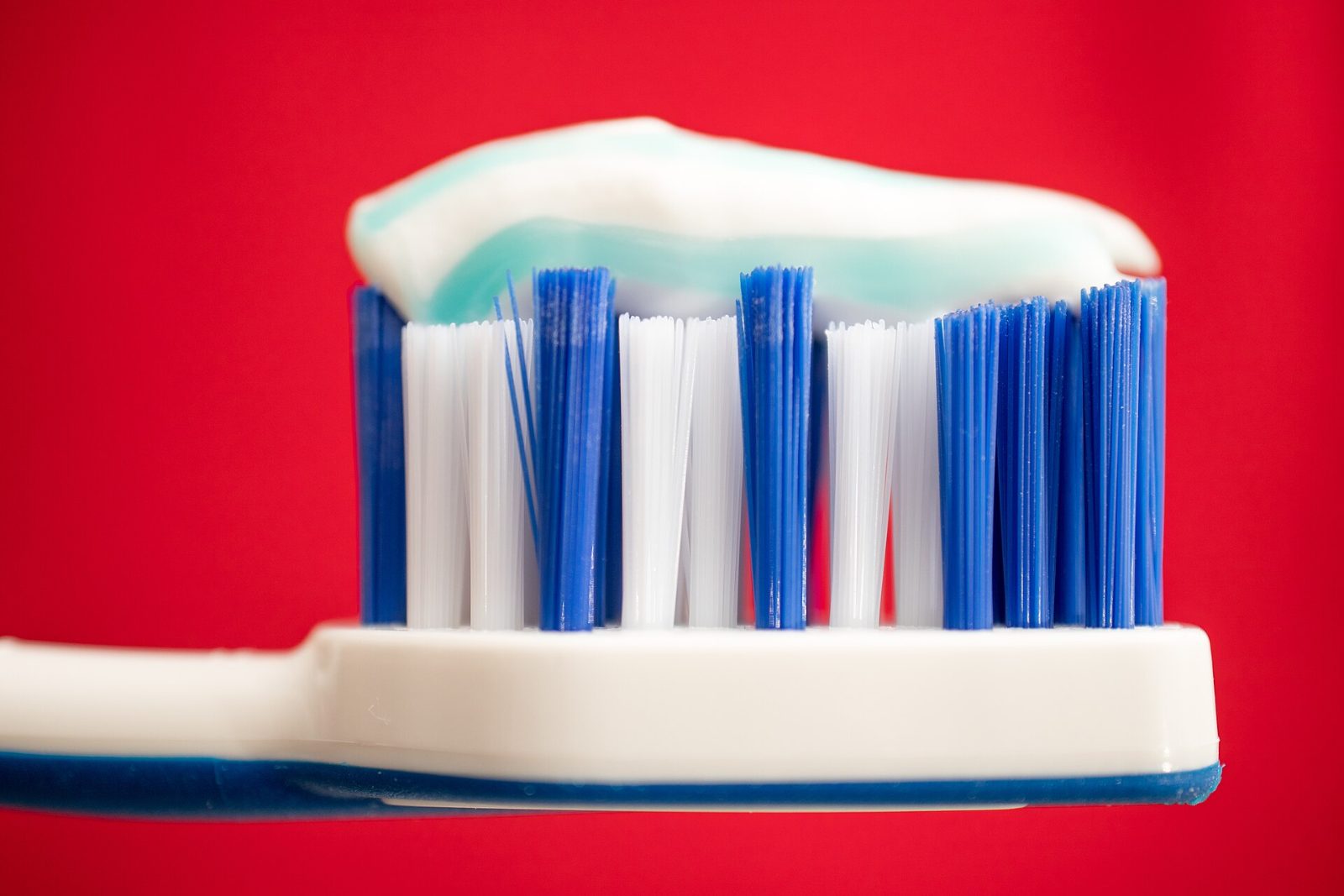
- Brush twice a day with fluoride toothpaste
- Keep six-monthly or yearly cleanings
- Avoid smoking and shisha
Finding a safe provider in the UAE
Choose a dental clinic licensed by the Dubai Health Authority (DHA), the Department of Health Abu Dhabi (DOH) or the Ministry of Health and Prevention (MOHAP), and make sure a licensed dentist examines you before whitening. Ask which gel and concentration will be used and how sensitivity will be managed.
When to stop and get advice
Stop whitening and contact your dentist if you have severe or lasting sensitivity, pain focused on one tooth, white or blistered gums that do not heal within a couple of days, or swelling.
The safest whitening is not a product. It is a plan made after someone has looked at your teeth.
Frequently asked questions
Are whitening strips safe?
For adults with healthy teeth and gums, strips used as directed are generally considered safe. The main issues are gum irritation and uneven results. A dental check first is still wise.
Is in-chair whitening safer than home whitening?
Both can be safe. In-chair treatment is supervised but uses stronger gel. Dentist-made trays use milder gel over a longer period. The better choice depends on your teeth and preferences.
Can whitening damage enamel?
When used as directed, studies generally show peroxide whitening does not cause significant enamel damage. Misuse and acidic or abrasive home methods are a bigger risk. See does teeth whitening damage enamel.
What is the gentlest option for sensitive teeth?
Usually a lower-strength tray system with shorter wear times, combined with a sensitivity toothpaste, after a dentist checks the cause of the sensitivity.
Sources: American Dental Association, Oral Health Foundation, Ministry of Health and Prevention
Cover photo: Stephen Craven, CC BY-SA 2.0. Last reviewed: 2026-11-26. General information only, not medical advice. Please consult a licensed practitioner in the UAE about your own situation.
Leave a Reply