
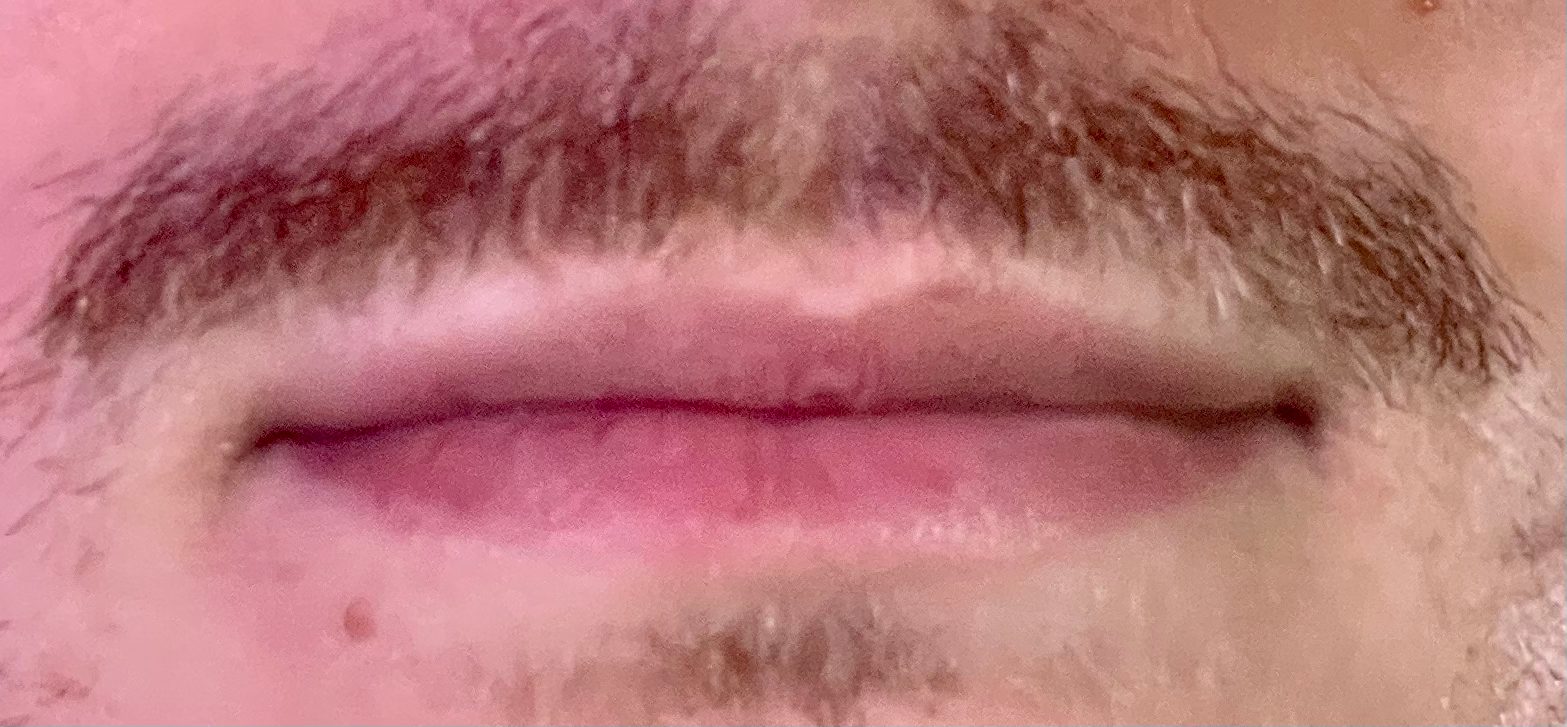
Lip filler made from hyaluronic acid can be dissolved with injections of an enzyme called hyaluronidase. The enzyme breaks the gel down, usually within a day or two, and the body clears it naturally. It is used for emergencies such as a blocked blood vessel, and for planned corrections when filler has migrated, formed lumps, or simply no longer looks right.
In this guide
Why people dissolve lip filler
Not every dissolving appointment is about a bad result. Common reasons include:
- Migration. Filler can spread above the lip border over time, creating a shelf or a blurred line sometimes called a filler moustache.
- Lumps and nodules. Product placed too superficially, or too much at once, can form bumps that do not settle.
- Overfilled look. Repeated top-ups can build up product so the lips look larger and less natural than intended.
- Wanting a fresh start. Some injectors prefer to remove old, uneven filler before using a new technique.
- Complications. A suspected vascular occlusion, where filler blocks a blood vessel, is a medical emergency, and hyaluronidase is the main treatment.
How hyaluronidase works
Hyaluronic acid occurs naturally in the skin, and the body already has enzymes that slowly break it down. Hyaluronidase is a concentrated version of such an enzyme. When injected into the area with filler, it breaks the long chains of the gel into smaller pieces that the body absorbs.
It works only on hyaluronic acid. If your lips were treated with a different type of filler, or with a permanent product, hyaluronidase will not remove it. That is why it is useful to keep a record of every product used in your face, including the brand name and the date.
What to bring to a dissolving consultation
- Names of the products used, if you know them
- Dates of past treatments and who performed them
- Photos of your lips before any filler, if you have them
- A list of your medicines and any allergies, including bee or wasp sting allergy
What the appointment involves
A practitioner should first examine your lips, ask about your history and explain what dissolving can and cannot achieve. Some will perform a small skin test first, because a minority of people react to hyaluronidase. Others weigh this against the situation; in an emergency, treatment cannot wait.
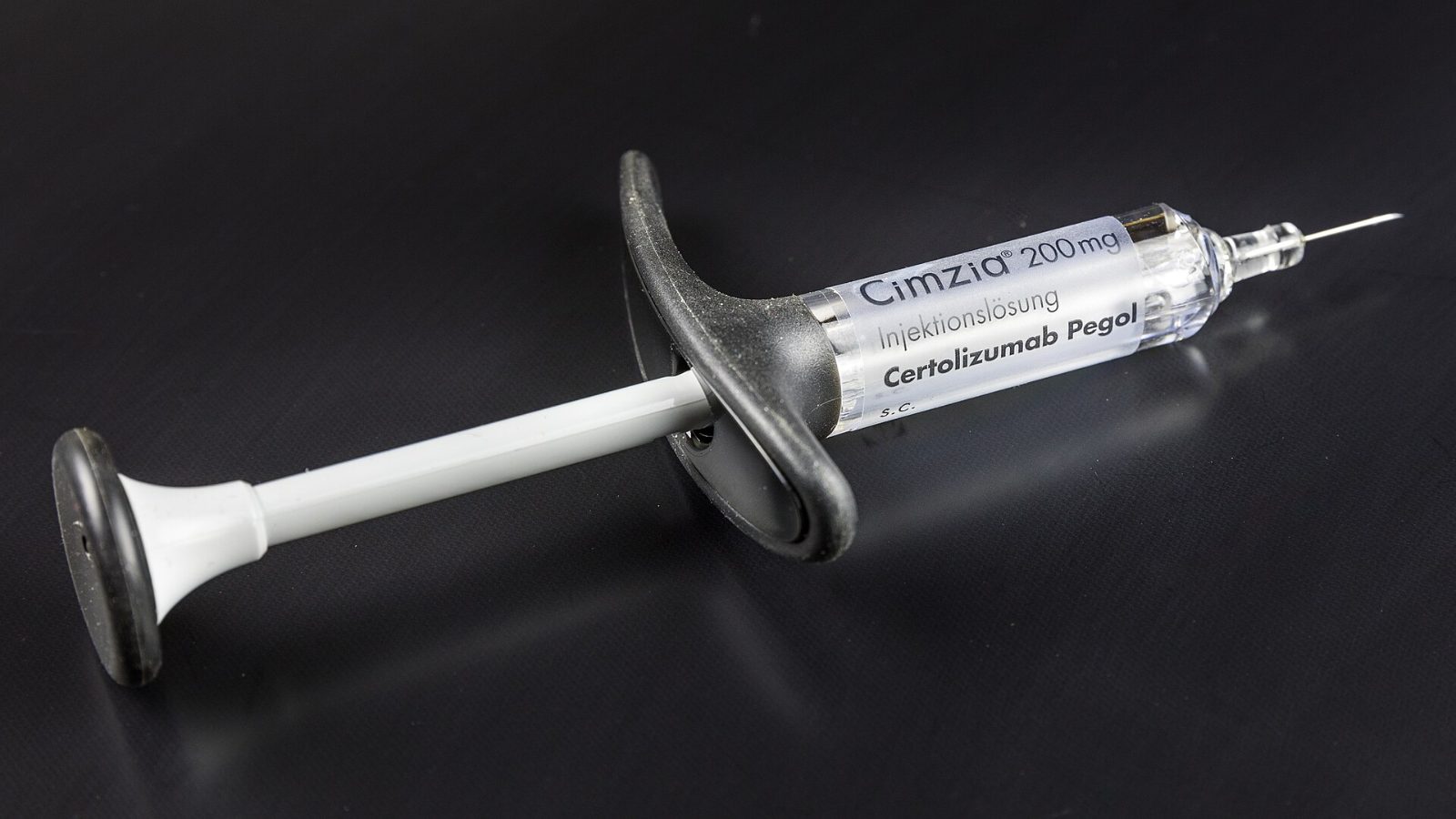
The injections themselves are quick. The enzyme is placed into the areas with filler using a fine needle or cannula. Lidocaine is not always mixed in, so it can sting more than a filler appointment. You will usually see a change within a day, with full effect over a couple of days. Sometimes a second session is needed, especially if a large amount of filler has built up.
What to expect after dissolving
| Time after treatment | What is common |
|---|---|
| First few hours | Swelling, redness, stinging or itching at the injection sites |
| Day 1 to 2 | Lips noticeably smaller as filler breaks down; may look uneven |
| Up to 2 weeks | Swelling settles; you see your natural lip shape again |
| After 2 weeks | Practitioner can review and discuss whether more dissolving or new filler is needed |
Some people are surprised that their lips look thinner than before they ever had filler. Usually this is temporary swelling going down and the eye adjusting after months or years of fuller lips. Hyaluronidase may also act on some of your own natural hyaluronic acid, but the body replaces it over time.
Before you re-treat
Most practitioners recommend waiting at least two weeks after dissolving before having new filler, so swelling has settled and the true shape is visible. Starting again with a small amount gives a more predictable result.
Risks and who should be careful
Hyaluronidase is widely used in aesthetic and other medical settings, but it is not risk-free:
- Allergic reactions can occur, ranging from local swelling and itching to, rarely, more severe reactions. People with a known allergy to bee or wasp stings may be at higher risk, so mention this.
- Bruising, tenderness and swelling are common for a few days.
- Dissolving may be incomplete after one session.
- The lips can look uneven until everything settles.
Dissolving is usually postponed if you have an active infection or cold sore in the area, unless it is an emergency. Tell the practitioner if you are pregnant or breastfeeding; they will weigh up whether treatment should wait.
When dissolving is urgent
Go back to your injector immediately, or attend an emergency department, if after any filler your lip or nearby skin becomes pale, grey, blue or blotchy, pain is severe or increasing, you see blisters, or you have any change in vision. These can signal a blocked blood vessel. Fast treatment with hyaluronidase improves outcomes, so clinics that inject filler should have it on site.
Finding the right practitioner in the UAE
Dissolving is more technical than many people think. The practitioner needs to understand lip anatomy, assess where the product sits, and judge the dose. Ideally choose a doctor or licensed practitioner experienced in correcting complications, not only in adding volume.
In the UAE, check that the clinic and practitioner hold a licence from the Dubai Health Authority (DHA), the Department of Health Abu Dhabi (DOH), or the Ministry of Health and Prevention (MOHAP). Ask whether they use ultrasound to locate filler in complex cases; some clinics do, but it is not available everywhere.
Dissolving is not a failure. It is often the step that makes a natural, well-planned result possible.
Frequently asked questions
How long does it take for dissolved filler to disappear?
Many people notice a clear change within 24 hours, and most of the effect is seen in two to three days. Swelling from the injections can take up to two weeks to settle.
Does dissolving lip filler hurt?
It can sting more than filler because the enzyme is not always mixed with an anaesthetic. Numbing cream helps. Discomfort usually passes within an hour or so.
Will my lips be smaller than before I had filler?
Usually not in the long term. They may look thinner at first because you are used to fuller lips and because swelling is subsiding. Give it a couple of weeks before judging.
Can any filler be dissolved?
Only hyaluronic acid fillers. Other fillers, such as collagen-stimulating products or permanent ones, do not respond to hyaluronidase and may need other treatments.
How soon can I have new filler?
Most practitioners suggest waiting at least two weeks. Some prefer longer if there was significant migration or a complication.
If you are planning a wider smile makeover after a reset, our veneer materials comparison is a good place to start on the dental side.
Sources: NHS: Dermal fillers, U.S. FDA: Dermal fillers, Dubai Health Authority
Cover photo: PumpkinMan1943, CC BY-SA 4.0. Last reviewed: 2026-11-26. General information only, not medical advice. Please consult a licensed practitioner in the UAE about your own situation.
Leave a Reply