
For a single missing tooth, an implant usually replaces the tooth without touching its neighbours and helps preserve the jawbone, while a bridge is quicker and avoids surgery but relies on the adjacent teeth for support. Neither is best for everyone: the right choice depends on the health of the neighbouring teeth, your bone, your general health and how long you are willing to wait.
In this guide
How each option works
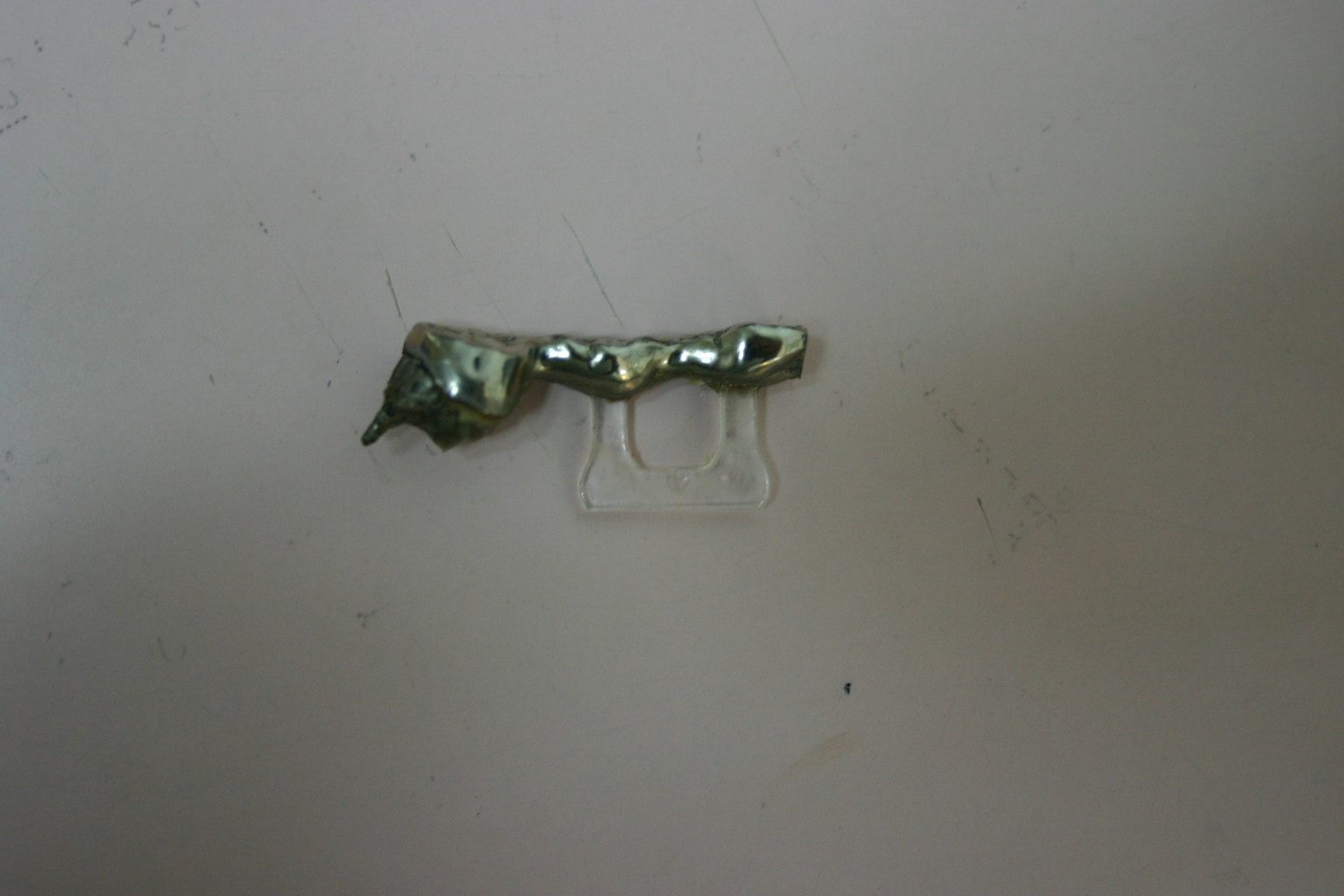
A conventional bridge replaces a missing tooth with a false tooth (called a pontic) that is joined to crowns on the teeth either side. Those supporting teeth are shaped down so the crowns can fit over them, and the whole unit is cemented in place. A variation called a resin-bonded or “Maryland” bridge uses small metal or ceramic wings glued to the back of the neighbouring teeth, which needs much less drilling but suits fewer situations.
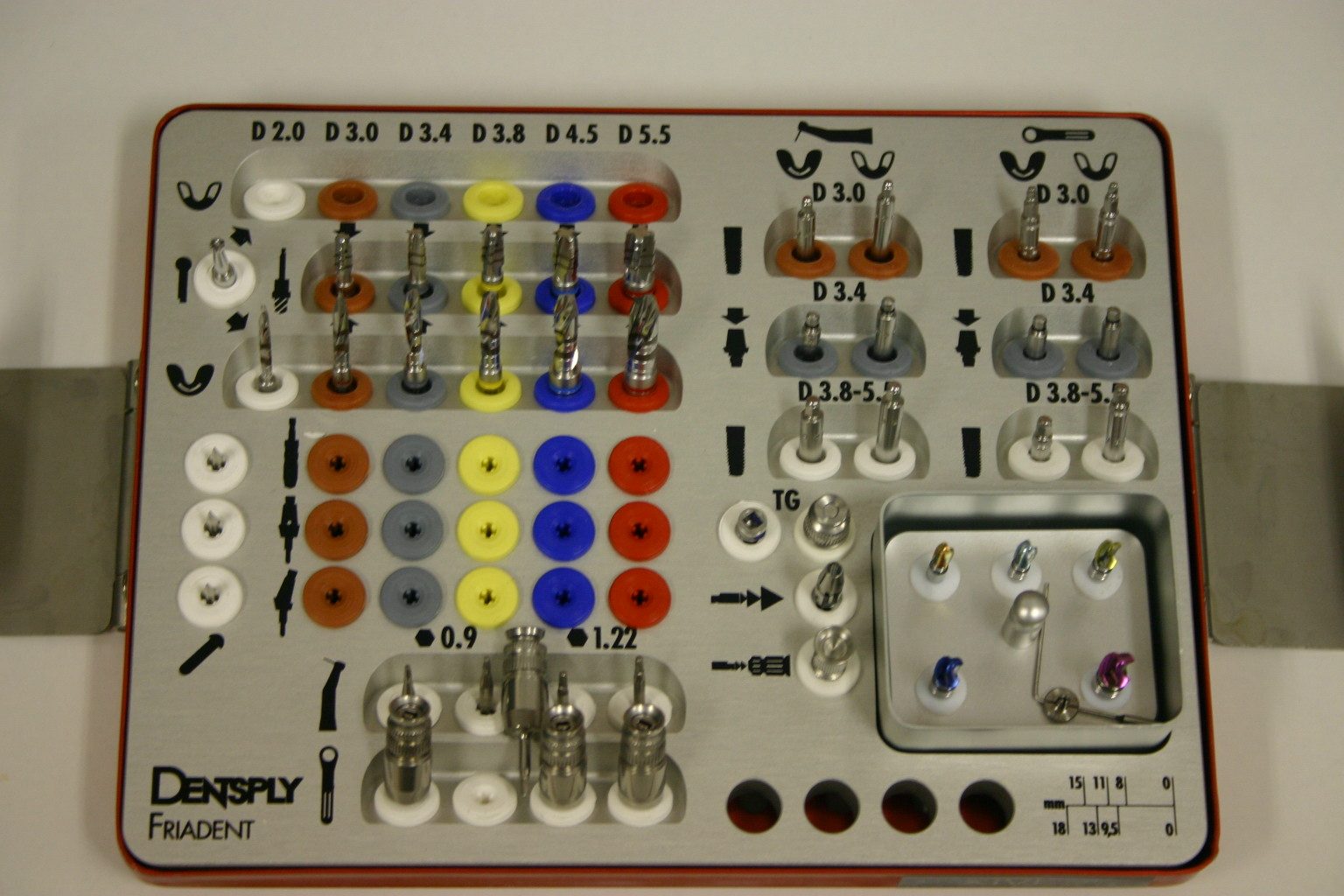
A dental implant is a small screw-shaped post, usually titanium or sometimes zirconia, placed into the jawbone where the root used to be. Over the following months the bone bonds to its surface. A connector (abutment) and a crown are then attached on top, so the new tooth stands on its own without being attached to the teeth next to it.
Side-by-side comparison
| Factor | Bridge | Implant |
|---|---|---|
| Surgery needed | No | Yes, a minor oral surgery procedure |
| Effect on neighbouring teeth | Conventional bridges require crowning them | None in most cases |
| Typical overall time | A few weeks | Several months, longer with bone grafting |
| Jawbone under the gap | Continues to shrink over time | Implant helps maintain bone around it |
| Cleaning | Special floss or threaders under the false tooth | Brushed and flossed much like a natural tooth |
| If something fails | Whole bridge may need replacing | Crown can often be replaced separately |
| Medical restrictions | Fewer | More: bone, smoking, some medicines and conditions |
Our interactive implant vs bridge vs denture comparison adds removable dentures to the picture if you are weighing up all three.
What happens if you leave the gap
It is worth knowing why dentists usually recommend replacing a missing tooth at all. Over time, the teeth next to a gap can drift or tilt into the space, and the tooth in the opposite jaw can grow down into it because it has nothing to bite against. These movements can change the bite, create new food traps that are hard to clean, and make later treatment more complicated. The bone that once held the root also tends to shrink once it no longer has a tooth to support.
Not every gap causes problems, especially at the very back of the mouth, and leaving it can be a reasonable choice for some people. The point is to decide deliberately with your dentist, rather than by default. If you are not ready for a bridge or an implant yet, ask whether a simple removable partial denture or a retainer-style space maintainer could hold the space in the meantime.
When a bridge makes sense
A bridge can be a sensible choice in several situations:
- The teeth on both sides of the gap already have large fillings or crowns, so crowning them is not a big sacrifice
- There is not enough bone for an implant and you prefer to avoid grafting
- Medical conditions or medicines make implant surgery riskier
- You need the gap filled within weeks rather than months
- Budget is a major factor, as bridges often cost less up front, although this depends on the number of units and materials
The trade-off is that healthy enamel on the supporting teeth is permanently removed for a conventional bridge, and those teeth now carry extra load. If one of them develops decay or a root problem later, the whole bridge may need redoing.
When an implant makes sense
An implant tends to be favoured when:
- The neighbouring teeth are healthy and unrestored, so there is no reason to cut them down
- There is enough bone, or you are willing to have it built up
- You want a tooth that is cleaned like a natural one
- You are thinking long term and want to limit bone loss in the area
It is still a surgical procedure, so it involves healing time, a period with a temporary tooth or gap, and some risk of complications such as infection or the implant failing to integrate.
Factors that raise implant risk
- Smoking, which is linked to higher failure rates
- Poorly controlled diabetes
- Active gum disease elsewhere in the mouth
- Previous radiotherapy to the head and neck
- Some bone medicines, such as bisphosphonates, which need discussing with your doctor and dentist
- Heavy grinding without a protective night guard

Treatment timelines compared
Implant timelines vary a lot. Some patients are suitable for an implant placed straight after an extraction, or for a temporary tooth on the same day, as covered in our guide to same-day implants. Others need extractions to heal and bone grafts to mature before the implant can go in.
Living with each option
Both bridges and implant crowns can last many years with good care, and both can fail if hygiene slips. Plaque under a bridge’s false tooth can lead to decay at the edges of the supporting crowns, while plaque around an implant can lead to inflammation of the gum and bone around it.
Daily care
- Brush twice a day with fluoride toothpaste
- Use floss threaders, super floss or interdental brushes under a bridge
- Clean around an implant crown with floss or small brushes as your hygienist shows you
- Keep regular check-ups and professional cleanings, which are as important for implants as for natural teeth
Cost in the UAE
Fees vary widely between clinics and emirates, and depend on the number of teeth, materials, imaging, and whether bone grafting is needed. A single implant usually has a higher upfront cost than a three-unit bridge, but a fair comparison should consider what happens to the neighbouring teeth over time. Ask for itemised written quotes in AED for both options, and check with your insurer, as many UAE policies treat implants and bridges differently.
The healthiest tooth next to a gap is a strong argument against crowning it for a bridge.
Frequently asked questions
Is an implant always better than a bridge?
No. Implants avoid cutting neighbouring teeth and help maintain bone, but a bridge can be the better choice where neighbouring teeth already need crowns, bone is lacking, or surgery is not advisable.
Does getting an implant hurt?
It is done under local anaesthetic, and most people report soreness for a few days afterwards, manageable with the pain relief their dentist recommends.
Can a bridge be replaced with an implant later?
Often, yes, if there is enough bone. The supporting teeth will still need crowns, as their enamel cannot be restored.
How long does each option last?
Both can last many years. Longevity depends on hygiene, bite forces, the health of supporting teeth for a bridge, and gum and bone health for an implant.
Sources: American Dental Association, NHS, Department of Health Abu Dhabi
Cover photo: Hanabishi, CC BY-SA 3.0. Last reviewed: 2026-11-25. General information only, not medical advice. Please consult a licensed practitioner in the UAE about your own situation.
Leave a Reply