
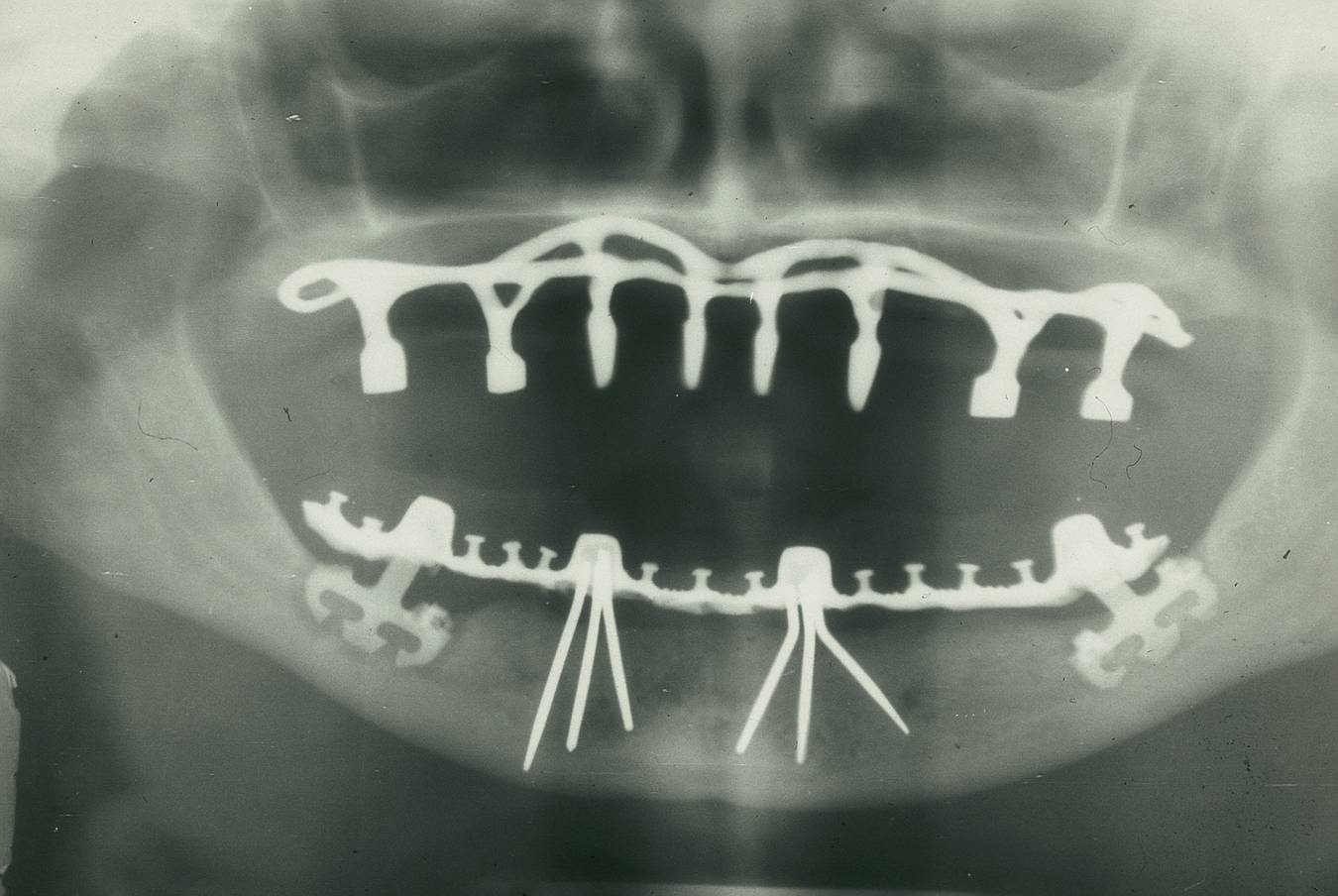
Dental implants in Dubai are offered by many DHA-licensed clinics, and the main decisions you face are which type of implant restoration fits your situation (a single crown, a bridge, or a full-arch solution), which timeline is safe for your bone and gums, and who will carry out the surgery and the final teeth. A careful clinic will base all three on a 3D scan and a full examination rather than on a package deal.
In this guide
The parts of an implant tooth
The implant acts as an artificial root. Over the healing period, bone bonds to its surface, and the abutment and crown are attached once it is stable.
Types of implant restoration
| Restoration | What it replaces | How many implants | Fixed or removable |
|---|---|---|---|
| Single implant crown | One tooth | One | Fixed |
| Implant bridge | Several adjacent teeth | Usually two or more | Fixed |
| Implant-retained overdenture | A full arch | Commonly two or more | Removable, clips onto implants |
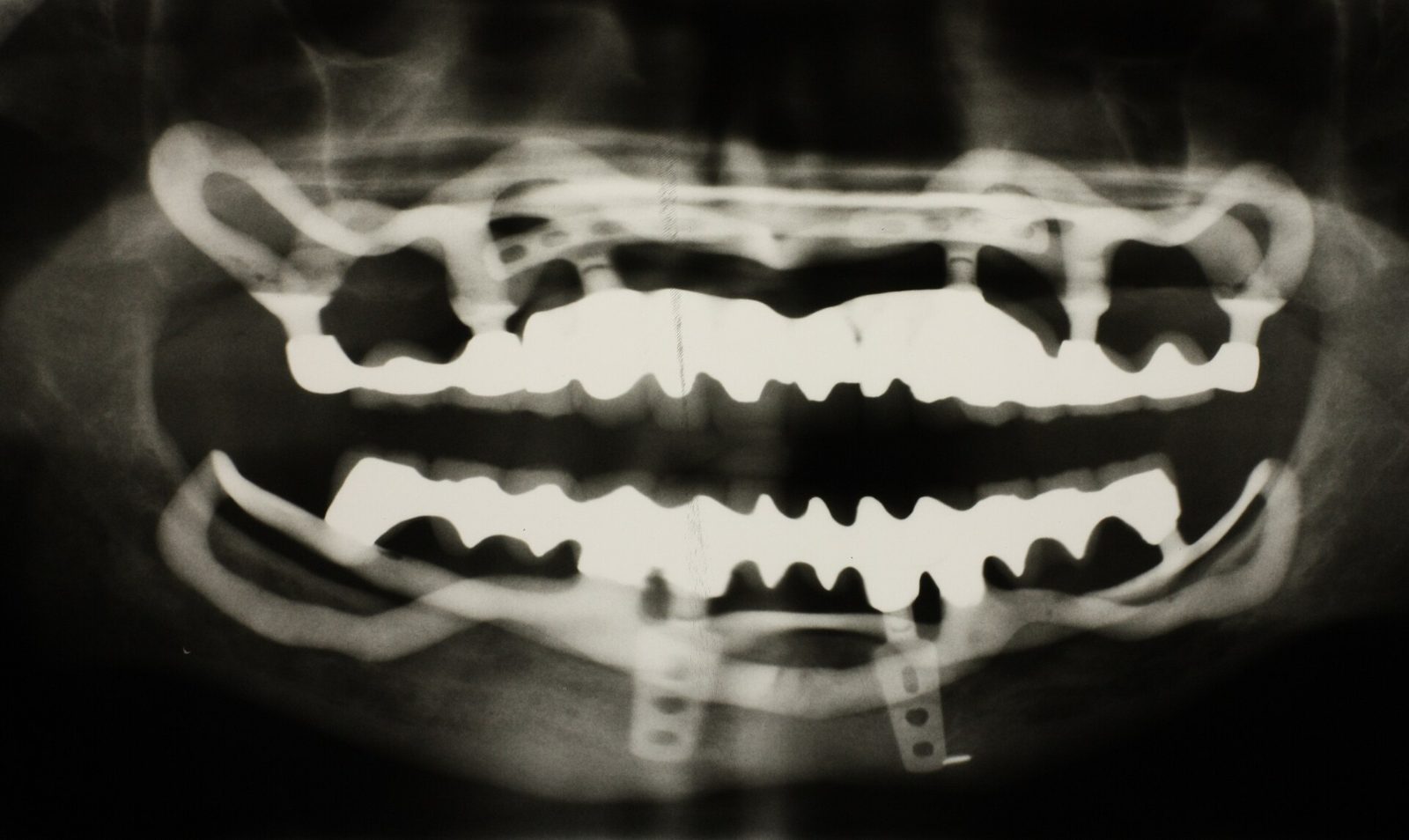
| Full-arch fixed bridge (often called All-on-4 or All-on-6) | A full arch | Typically four to six or more | Fixed, removed only by the dentist |
If you are weighing implants against other options, our implant vs bridge vs denture comparison explains the trade-offs.
Titanium or zirconia?
Most implants placed worldwide are titanium or titanium alloy, with long track records and many compatible parts. Zirconia (ceramic) implants are a metal-free alternative that some patients prefer, for example for appearance where gums are thin. They have a shorter track record and fewer restorative options. Allergy to titanium is considered rare. Ask your dentist why they recommend a particular material and system for you.
Timelines: conventional, early and immediate
- Conventional loading. The implant heals for a period, commonly a few months, before the final tooth is fitted. This is the most established approach.
- Early loading. The tooth is attached sooner, once the implant is judged stable.
- Immediate implants or immediate teeth. An implant is placed at the time of extraction, or a temporary tooth is attached on the day. This can work well in selected cases with good bone and stability, but it is not suitable for everyone.
Your bone volume, infection at the site, bite forces, smoking and general health all influence which timeline is safe.
Speed is attractive, but a timeline that suits your bone is what gives an implant the best chance of lasting.
What the first consultation should cover
A thorough first visit is a good sign of a careful clinic. Expect the dentist to examine all your teeth and gums, not only the gap, to ask about your medical history and medicines, and to take a 3D scan or arrange one. They should explain whether you need extractions, gum treatment, bone grafting or a sinus lift first, discuss alternatives to implants, and give you time to think before committing. If you are told on the first visit that you need a full-arch treatment, it is reasonable to ask for a second opinion before agreeing.
Who should take extra care
Discuss with your dentist and doctor first if you
- Smoke, use shisha or vape
- Have diabetes, particularly if blood sugar is not well controlled
- Take medicines that affect bone, such as some osteoporosis or cancer treatments
- Have had radiotherapy to the head and neck
- Take blood thinners or have a bleeding disorder
- Have active gum disease or grind your teeth heavily
- Are pregnant, when elective surgery is usually postponed
Contact your clinic promptly if you have increasing pain or swelling after the first few days, fever, pus, persistent numbness of the lip or chin, or a loose implant or crown.
Recovery after surgery
Swelling and tenderness are common for a few days after implant placement, sometimes with bruising on the cheek or chin. Clinics usually recommend soft foods for a short time, careful rinsing as instructed, no smoking and no strenuous exercise for a few days. In the summer heat, staying cool and well hydrated can make the first days more comfortable.
Choosing a clinic in Dubai
Dubai has a large number of dental clinics, and marketing can make it hard to compare. These points help:
- Check DHA licensing for both the facility and the dentist, using the authority’s online services.
- Ask who does what. Find out whether the surgery is done by an oral surgeon, periodontist or implant-trained dentist, and who makes and fits the final teeth.
- Insist on a 3D scan. Cone beam CT imaging is standard for planning implants and checking bone and nerve positions.
- Ask about the implant system. Well-known systems with local suppliers make future repairs easier.
- Get an itemised written plan. It should list scans, extractions, grafts, implants, abutments, temporary and final teeth, and follow-up visits.
- Check warranty and aftercare. Ask what happens if an implant fails to integrate or a crown chips.
Prices for implants in Dubai vary considerably with these factors, so comparing like for like matters more than the headline figure. Many insurance plans limit or exclude implants, so check your cover in advance.
Looking after implants long term
Daily and yearly care
- Brush twice a day and clean around implants with interdental brushes or a water flosser
- Keep hygiene appointments; implants need professional cleaning too
- Wear a night guard if you clench or grind
- Avoid smoking, which raises the risk of gum and bone problems around implants
Frequently asked questions
How long does the whole implant process take in Dubai?
For a single tooth with good bone, it commonly takes a few months from placement to the final crown. Extractions, grafting or sinus lifts can add more time.
Can I get teeth on the same day?
Some patients can have a temporary tooth or full-arch temporary bridge on the day of surgery, if the implants are stable enough. Your dentist will decide based on bone quality and the plan.
Do implants feel like natural teeth?
Once healed, most people find they chew and feel very similar to natural teeth, although implants do not have the same sensation as a natural tooth root.
Can implants fail?
Yes, although most succeed. Failure can occur early, if the bone does not bond, or later because of infection, overload or gum disease. Good planning and maintenance reduce the risk.
Sources: Dubai Health Authority, American Dental Association: MouthHealthy, NHS: Dental implants
Cover photo: Dentistxxx, CC BY-SA 3.0. Last reviewed: 2026-11-25. General information only, not medical advice. Please consult a licensed practitioner in the UAE about your own situation.
Leave a Reply