
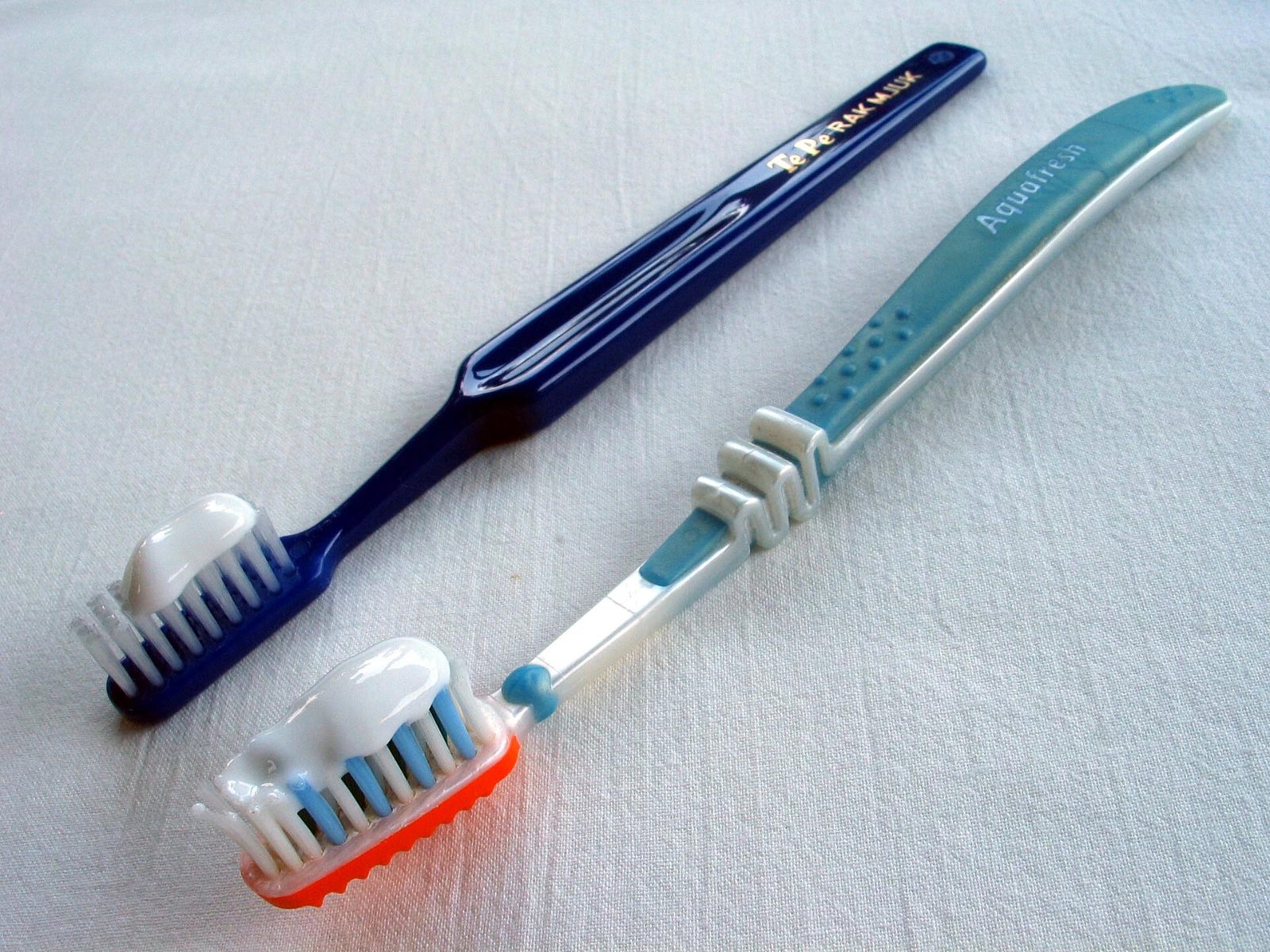
The most effective and safest way to whiten teeth at home is with custom trays and peroxide gel supplied by your dentist. Over-the-counter strips, whitening toothpastes and pens can help with milder staining, while popular hacks such as lemon juice, undiluted baking soda scrubs or charcoal can harm enamel and are best avoided.
In this guide
First, check what kind of discolouration you have
Home whitening works on natural tooth colour and surface stain. It does little or nothing for:
- crowns, veneers, bonding and fillings
- grey discolouration from a tooth with nerve damage
- some antibiotic-related staining and certain white or brown spots
- yellowing that is really exposed root surface from gum recession
A quick dental check before you start tells you which kind of staining you have and whether there are problems, such as decay, that whitening would make sore. In the UAE, any DHA, DOH or MOHAP-licensed general dentist can do this.

Home whitening options compared
| Method | How it works | Typical result | Main cautions |
|---|---|---|---|
| Dentist-supplied custom trays | Peroxide gel in trays made from a scan or mould of your teeth | Often good, even results over one to two weeks | Sensitivity, needs a dental visit |
| Whitening strips | Thin film coated with peroxide gel | Modest to moderate on front teeth | Uneven on crowded teeth, gum irritation |
| Whitening toothpaste | Mild abrasives and sometimes low-level peroxide | Removes surface stain, small change | Overly abrasive pastes can wear enamel |
| Whitening pens | Gel painted onto teeth | Small change, handy for touch-ups | Gel easily washed away by saliva |
| LED light kits | Gel in a generic tray plus a small light | Varies, mostly from the gel | Poor tray fit, gel can leak onto gums |
Dentist-supplied trays: the gold standard at home
Custom trays fit your teeth closely, so the gel stays where it should and away from your gums. The dentist chooses the gel strength and tells you how long to wear the trays each day. Many people wear them for a set number of days, then use them occasionally for top-ups.
- The dentist checks your teeth and takes a scan or impression.
- Trays are made and fitted, and you are shown how much gel to use.
- You wear them at home as instructed, often for an hour or two a day or overnight, depending on the product.
- You return or check in to review progress and sensitivity.
Fit matters as much as the gel. A tray that fits well whitens more evenly and irritates the gums less.
Over-the-counter products: what to expect
Strips can work reasonably well for straight front teeth. They are less effective if teeth are crowded or rotated, because the film does not reach all surfaces. Whitening toothpastes mainly remove surface stain, so they are good for maintenance after whitening rather than for changing your shade. Pens are convenient but tend to be the weakest option.
We cover strips in detail in our guide to teeth whitening strips.
Using OTC products more safely
- Follow the timing on the pack exactly, and never leave products on longer
- Stop for a few days if teeth become sensitive
- Do not combine several whitening products at once
- Keep gel off the gums, and wipe away any excess
- Buy from reputable pharmacies or retailers rather than unknown online sellers
Popular hacks to avoid
These can do more harm than good
- Lemon juice, vinegar or apple cider vinegar: acids soften and erode enamel, which can make teeth look more yellow over time
- Rubbing baking soda hard or daily: abrasive enough to wear enamel if overused
- Activated charcoal powder: abrasive, and there is little evidence it whitens; it can also be hard to rinse out of gaps
- Strawberry “whitening”: fruit acids and sugar, with no proven benefit
- High-strength gels bought online without supervision: risk of burns to gums and severe sensitivity
Oil pulling with coconut oil is harmless for most people but has no good evidence for whitening.
Who should not whiten at home
- Pregnant or breastfeeding women
- Children and teenagers, unless advised by a dentist
- People with untreated decay, gum disease, cracked teeth or exposed roots
- Anyone with an allergy to peroxide or to product ingredients
- People with significant sensitivity who have not seen a dentist
If you notice gum burns, white patches on the gums, severe or lasting pain, or a single tooth that throbs, stop and see a dentist.
Habits that keep teeth whiter
Whitening fades as teeth pick up new stain. In the UAE, coffee, black tea, karak, shisha and smoking are frequent culprits.
- Rinse with water after dark drinks
- Use a straw for iced coffee and cold tea
- Brush twice a day with fluoride toothpaste, and clean between teeth daily
- Keep up regular cleanings to remove surface stain
- Cut down on smoking or shisha, which also helps the gums
Frequently asked questions
How fast can I whiten my teeth at home?
With dentist-supplied trays, many people notice a change within a few days and reach their target in about one to two weeks. OTC products tend to be slower.
Is it safe to whiten teeth at home?
Using approved products as directed, ideally after a dental check, is generally considered safe. Overuse and unregulated products increase the risk of sensitivity and gum irritation.
Can whitening toothpaste change my tooth colour?
It mainly removes surface stain. It will not lighten teeth as much as peroxide gels in trays.
Does baking soda whiten teeth?
It can help remove surface stain, which is why it appears in some toothpastes, but scrubbing with neat baking soda is not recommended.
Sources: American Dental Association, NHS, Dubai Health Authority
Last reviewed: 2026-11-25. General information only, not medical advice. Please consult a licensed practitioner in the UAE about your own situation.
Leave a Reply