
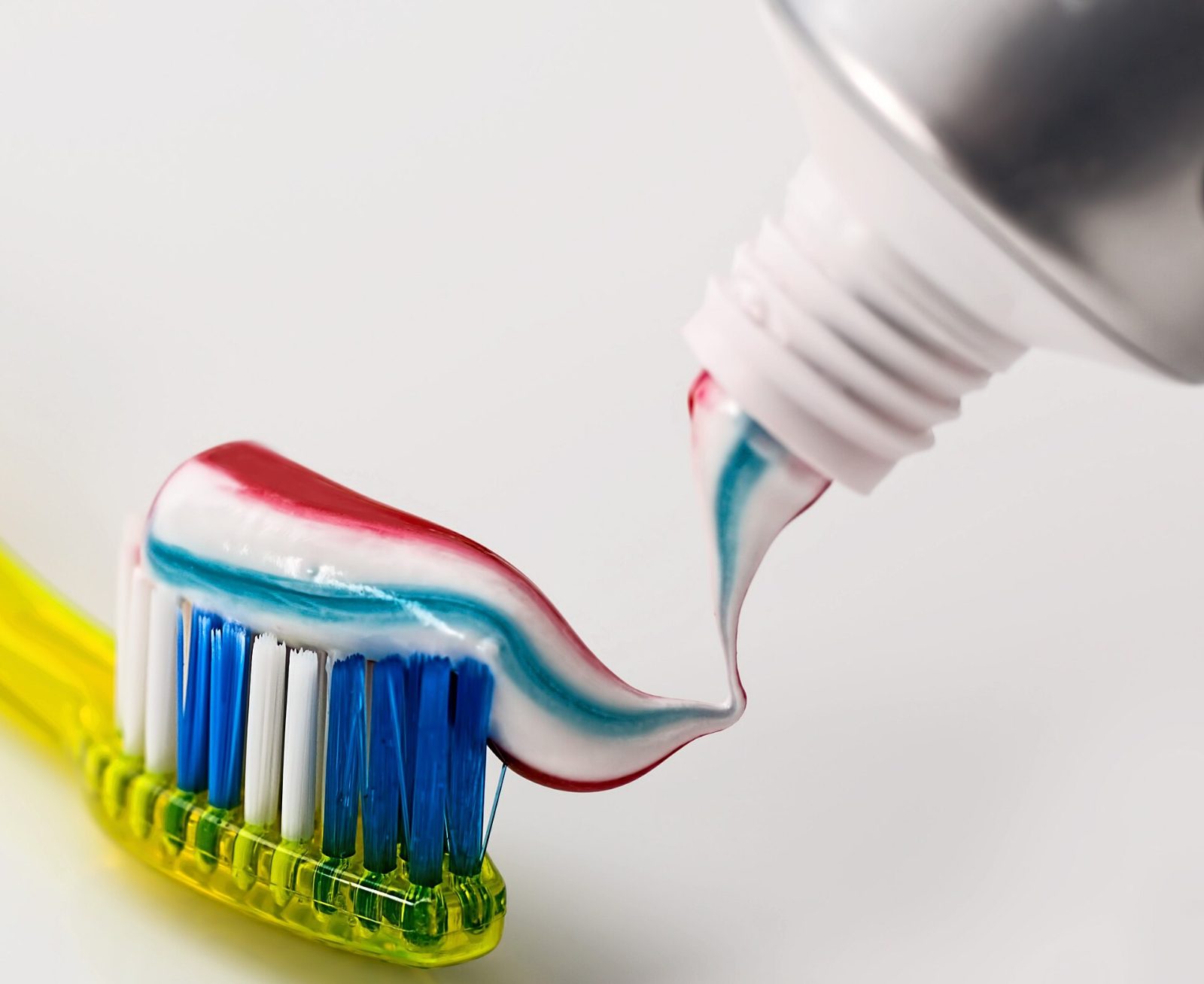
Whitening toothpaste mainly removes and prevents surface stains, using gentle abrasives, stain-control chemicals and sometimes low levels of peroxide or optical brighteners. It can make teeth look noticeably cleaner and brighter, but it will not lighten the natural colour of teeth as much as dentist-supervised whitening. For daily use, pick a fluoride toothpaste with low to moderate abrasiveness.
In this guide
How whitening toothpastes work
Different products use different approaches, and many combine them:
| Approach | Typical ingredients | What it does | Limits |
|---|---|---|---|
| Mechanical cleaning | Hydrated silica, calcium carbonate, alumina | Polishes away surface stain | Too abrasive can wear enamel and exposed roots |
| Chemical stain control | Pyrophosphates, polyphosphates, sodium hexametaphosphate | Loosens stain and stops it sticking | Mostly prevents new stain |
| Low-level bleaching | Hydrogen peroxide, carbamide peroxide, PAP | Can lighten slightly with long-term use | Short contact time limits the effect |
| Optical brightening | Blue covarine and similar pigments | Coats teeth with a faint blue tint that makes them look whiter immediately | Temporary, washes off |
| Enzymes | Papain, bromelain | Help break down protein film that holds stain | Evidence is limited |
Fluoride is the most important ingredient for your overall dental health. Make sure a whitening toothpaste still contains it unless your dentist advises otherwise.
What results to expect
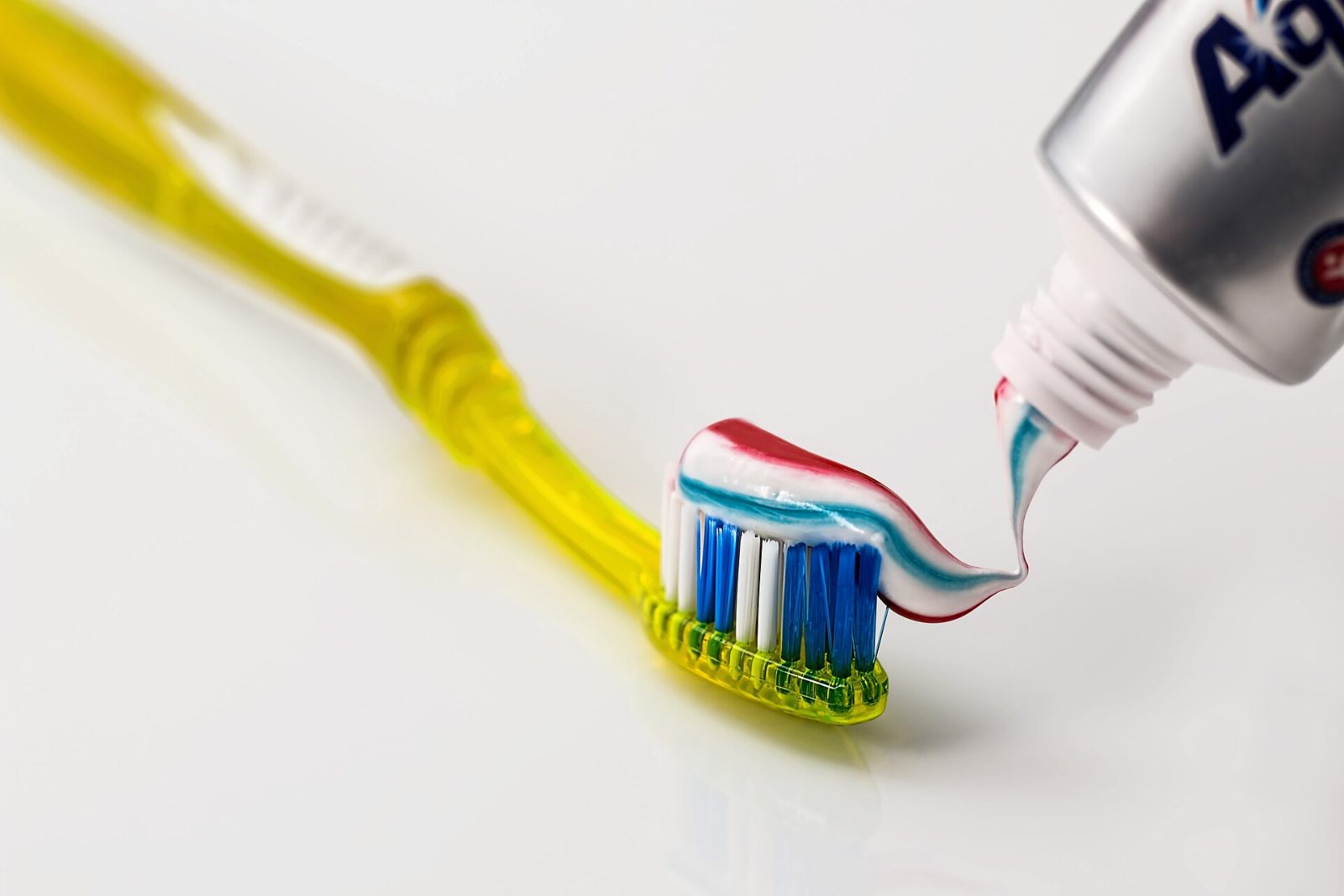
Most people notice cleaner, brighter-looking teeth within a few weeks, mainly because surface stain from coffee, tea, karak, cola or smoking is removed. Toothpastes with optical brighteners give an instant but temporary effect. The natural shade of the tooth, which comes from the dentine underneath the enamel, changes little.
A whitening toothpaste keeps teeth looking their best. It is not a replacement for professional whitening if you want a real change in shade.
Abrasiveness: why it matters
Toothpaste abrasiveness is often described by a lab measure called relative dentin abrasivity (RDA). International standards and the American Dental Association set an upper limit of 250 for toothpastes considered safe for lifetime use, and most everyday pastes sit well below that. Some whitening pastes are towards the higher end, and manufacturers do not always print the value.
Higher abrasiveness is a concern mainly if you:
- have exposed roots from gum recession
- already have worn enamel or notches near the gumline
- brush hard with a stiff brush
- have sensitive teeth
Gentle brushing for whiter teeth
- Use a soft brush or an electric brush with a pressure sensor
- Brush for two minutes, twice a day, with light pressure
- Spit, do not rinse, after brushing so fluoride stays on teeth
- Wait about an hour after acidic food or drinks before brushing
- Alternate a whitening paste with a regular fluoride paste if your teeth are sensitive
Charcoal and “natural” whitening pastes
Charcoal toothpastes have become popular, but evidence that they whiten is limited, and many contain little or no fluoride. Charcoal particles can be abrasive and may collect in gaps or around fillings. Natural or herbal pastes vary widely, so read the label for fluoride content and avoid relying on them as your only toothpaste. We cover charcoal in a separate guide on this site.
Choosing a whitening toothpaste in the UAE
Supermarkets and pharmacies across the UAE carry many whitening pastes, from international brands to local and imported products. When comparing:
What to check on the label
- Contains fluoride, usually listed as sodium fluoride, stannous fluoride or sodium monofluorophosphate
- Clear list of whitening ingredients
- Suitable for sensitive teeth, if that applies to you
- Approved for sale in the UAE, bought from reputable retailers
- Not marketed for children unless designed for their age group
Common myths about whitening toothpaste
“The more it foams, the better it cleans.” Foam comes from detergents such as sodium lauryl sulfate. It does not mean more stain is removed, and some people with mouth ulcers prefer SLS-free pastes.
“A bigger blob works faster.” A pea-sized amount is enough for adults. More paste does not whiten more and may simply add abrasive material.
“Brushing harder removes more stain.” Hard brushing mainly wears enamel and pushes gums back, which can expose yellower root surfaces and make teeth look darker over time.
“Whitening toothpaste can replace dental visits.” It cannot remove hardened tartar or spot early decay. Regular check-ups and cleanings are still needed.
“Natural means safer.” Some natural pastes are gentle, but others are quite abrasive or lack fluoride. Read the label rather than relying on the word natural.
Who should be careful
Ask a dentist before using whitening toothpaste if you
- have sensitive teeth, exposed roots or worn enamel
- have many crowns, veneers or fillings on your front teeth, as they will not whiten and the difference may become more obvious
- notice gum irritation, mouth ulcers or burning after starting a new paste
- are choosing toothpaste for a child
Sudden discolouration of a single tooth, especially grey or dark, is not something toothpaste can fix. It may be a sign of nerve damage and should be checked by a dentist licensed by the DHA, DOH or MOHAP.
Pairing toothpaste with other whitening
Whitening toothpaste works well as maintenance after professional or tray whitening, helping to slow the return of stains. Many dentists also recommend a sensitivity toothpaste for a couple of weeks before and after whitening. Regular professional cleaning removes stain and tartar that brushing cannot. Our guides to Zoom whitening in Dubai and teeth cleaning and whitening explain those options.
Frequently asked questions
Do whitening toothpastes really work?
They work well for surface stains and for maintaining whitening results. They do not change the natural shade much.
Can whitening toothpaste damage enamel?
Used gently with a soft brush, most are considered safe. Highly abrasive pastes, hard brushing or existing wear raise the risk.
How long until I see results?
Many people notice a difference within two to six weeks of twice-daily use. Optical brighteners give an instant but temporary effect.
Can I use whitening toothpaste every day?
Most are designed for daily use. If teeth become sensitive, alternate with a regular or sensitivity fluoride toothpaste.
Sources: American Dental Association, NHS, Dubai Health Authority
Last reviewed: 2026-11-25. General information only, not medical advice. Please consult a licensed practitioner in the UAE about your own situation.
Leave a Reply