
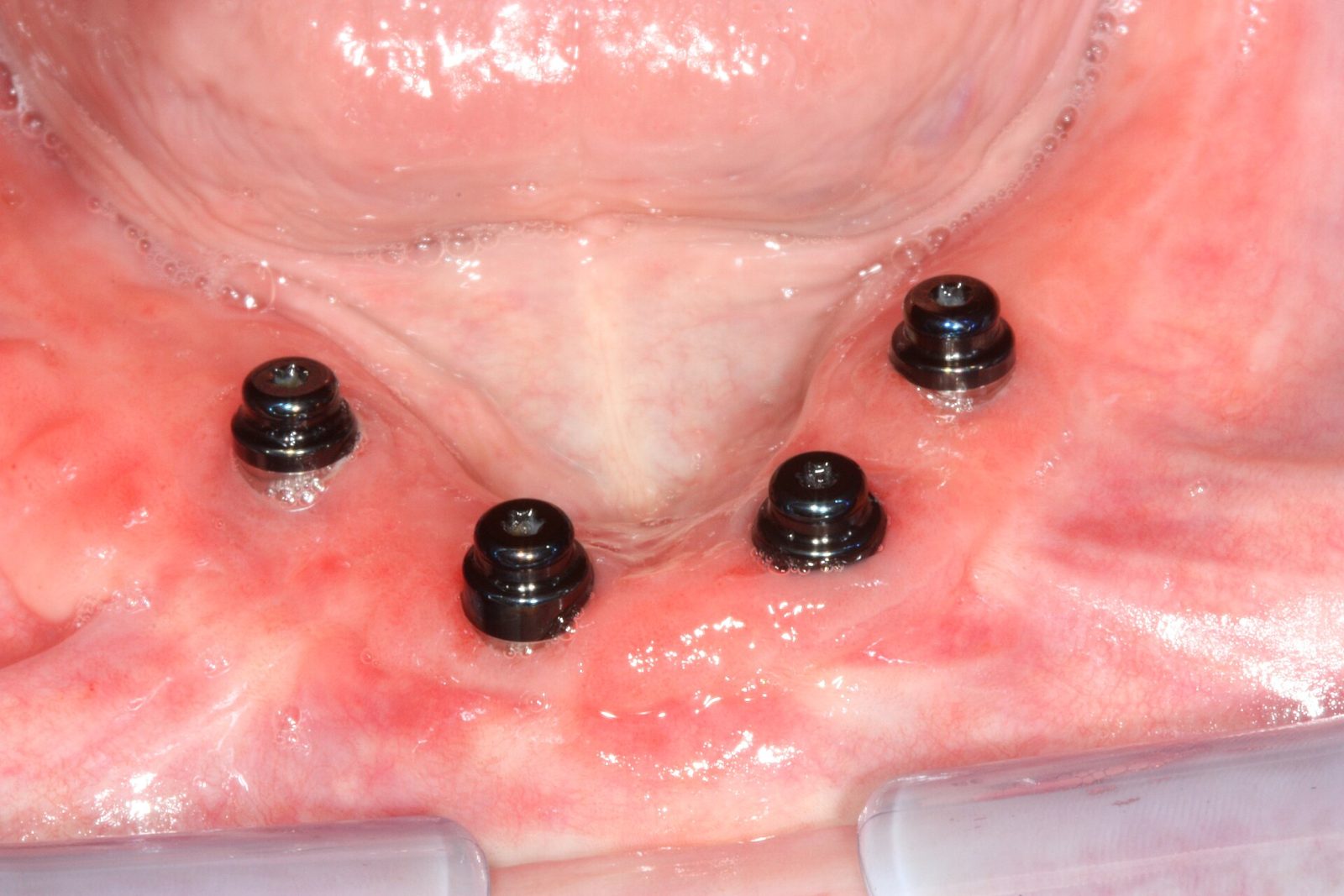
Zygomatic dental implants are extra-long implants anchored in the cheekbone (the zygomatic bone) instead of the upper jawbone. They are used for people who have lost so much bone in the upper jaw that standard implants cannot be placed without major grafting. They can allow fixed teeth sooner, but they are a complex surgical procedure carried out by specialists, with specific risks.
In this guide
Why zygomatic implants exist
After teeth are lost, the bone that held them gradually shrinks. In the upper jaw, the sinuses can also expand downwards. Over years, especially with long-term denture wear, there may not be enough bone height for standard implants at the back of the mouth.
The traditional solution is bone grafting, often with a sinus lift, followed by months of healing before implants can be placed. Zygomatic implants take a different route: they pass from the mouth, alongside or through the sinus area, and anchor in the dense cheekbone. That can avoid grafting and shorten the overall treatment time.
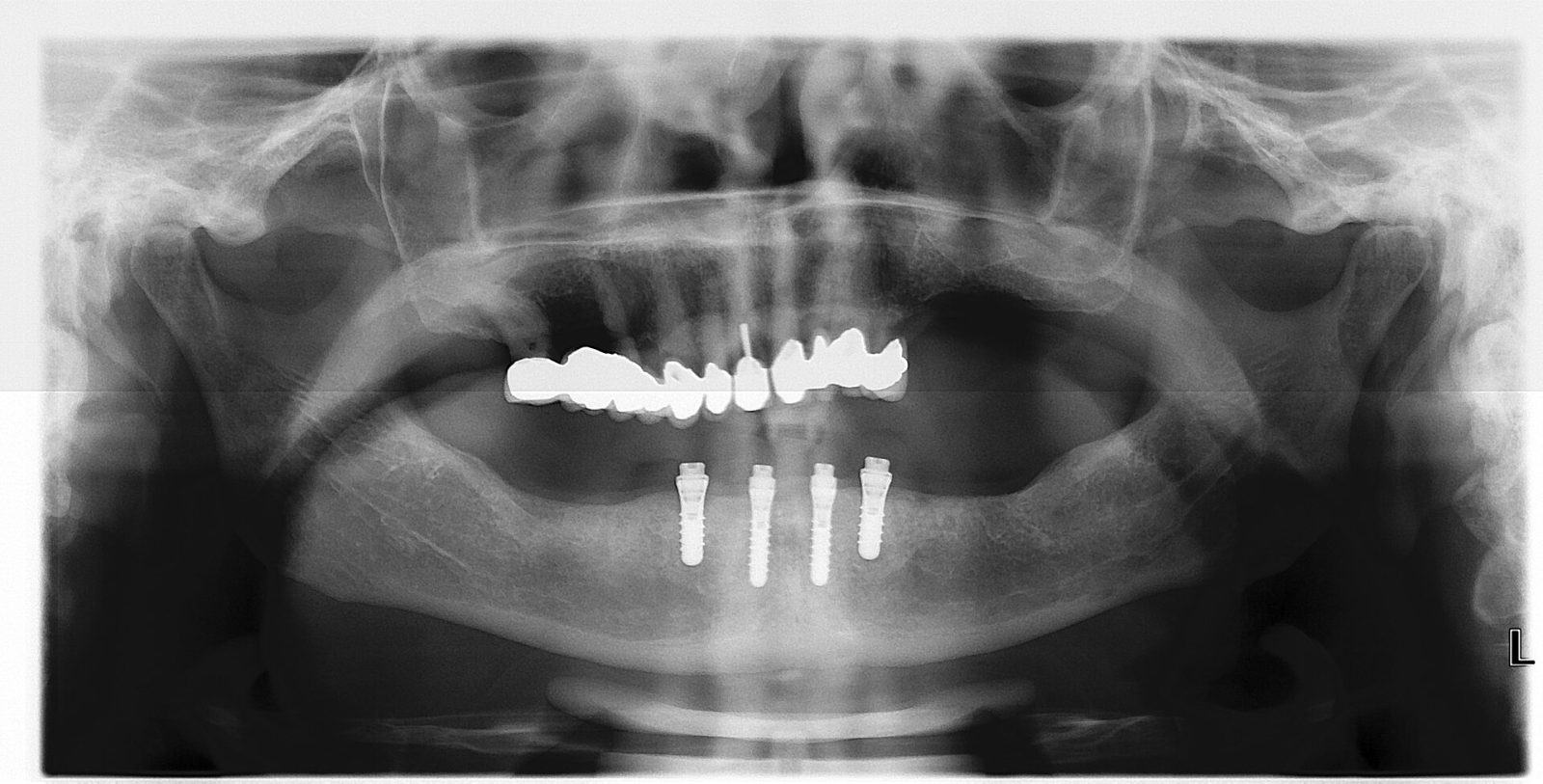
Zygomatic implants compared with other options
| Option | Where it anchors | Grafting | Typical use |
|---|---|---|---|
| Standard implants | Upper jaw bone | Not needed if bone is adequate | Most implant cases |
| Standard implants with sinus lift or bone graft | New bone built up in the jaw | Yes, with healing time | Moderate bone loss |
| All-on-four with angled implants | Upper jaw, angled to reach better bone | Often avoided | Full-arch cases with some bone remaining |
| Zygomatic implants (with standard front implants) | Cheekbone plus front jaw bone | Usually avoided | Severe back-of-jaw bone loss |
| Quad zygomatic (four zygomatic implants) | Cheekbones only | Usually avoided | Very severe bone loss throughout the upper jaw |
| Implant-retained or conventional dentures | Gums and palate, or a few implants | Varies | When surgery is not suitable or wanted |
Zygomatic implants are only used in the upper jaw. Our implant vs bridge vs denture comparison explains more basic options, and our guide to all-on-four dental implants covers the angled-implant approach.
Who might be considered
- People with severe bone loss in the upper jaw
- People whose previous bone grafts or implants have failed
- People who cannot tolerate loose upper dentures
- Some patients after surgery for jaw tumours or trauma, as part of reconstruction
A detailed 3D scan (CBCT) is essential to plan the angle and length of each implant and to check the sinuses and surrounding anatomy.
Who may not be suitable
Extra caution or alternative plans are usually needed for
- Active sinus infection or chronic sinus disease, which should be treated first
- Uncontrolled diabetes or other conditions that affect healing
- Heavy smoking
- Some bone medicines, such as certain treatments for osteoporosis or cancer
- Previous radiotherapy to the head and neck
- People who cannot have the type of anaesthesia or sedation needed
What the treatment usually involves
- Consultation and scans with an oral and maxillofacial surgeon or experienced implant surgeon, and a restorative dentist.
- Digital planning of implant paths and the final teeth.
- Surgery, often under general anaesthesia or deep sedation in a hospital or a suitably equipped facility.
- Temporary fixed teeth, often attached within days if the implants are stable.
- Healing period of several months.
- Final bridge, often zirconia or acrylic on a metal frame.
- Long-term maintenance with regular reviews and cleaning.
Zygomatic implants are a solution for severe bone loss, not a shortcut for everyone. When there is enough bone, simpler implants are usually preferred.
Risks and possible complications
Specific risks include:
- Sinus problems, such as sinusitis, which may need treatment
- An opening between the mouth and sinus (oroantral communication)
- Soft tissue problems around the implant where it passes through the gum
- Numbness or altered feeling in the cheek or upper lip from nerve irritation, usually temporary
- Rare but serious injury to structures around the eye socket, which is why surgical experience and planning are critical
- General surgical risks: swelling, bruising, bleeding, infection and implant failure
Seek urgent care for vision changes, heavy bleeding, spreading facial swelling, high fever or difficulty breathing or swallowing after surgery.
Recovery: what to expect
Common recovery advice
- Expect facial swelling and bruising for a week or more; cold packs help in the first days
- Eat a soft diet as instructed, especially with temporary teeth
- Avoid blowing your nose forcefully, and sneeze with your mouth open if advised, to protect the sinus area
- Keep follow-up appointments
- Avoid smoking, which raises the risk of complications
- Take medicines only as prescribed
Choosing a surgeon in the UAE
Zygomatic implant surgery should be performed by surgeons with specific training and experience in this technique, usually oral and maxillofacial surgeons, working with a restorative dentist or prosthodontist. In the UAE, check licences with the DHA in Dubai, DOH in Abu Dhabi or MOHAP in the other emirates. Ask how many zygomatic cases the team has done, where the surgery will take place, what anaesthesia is used, and how complications are managed. Costs vary widely depending on the number of implants, the type of bridge, anaesthesia and hospital fees. Request a written treatment plan and compare it with options that use grafting. Our Costs in the UAE section explains typical pricing structures.
Frequently asked questions
Are zygomatic implants safe?
In experienced hands they have shown good long-term results in studies, but they carry specific risks. Careful planning and an experienced surgeon are essential.
How long do zygomatic implants last?
Studies have reported high survival rates over many years. The bridge on top may need repairs or replacement over time.
Can I get teeth the same day with zygomatic implants?
Often a temporary fixed bridge can be attached soon after surgery if the implants are stable. The final bridge comes later.
Can zygomatic implants be used in the lower jaw?
No. They rely on the cheekbone, so they are only used in the upper jaw.
Sources: American Association of Oral and Maxillofacial Surgeons, American Academy of Implant Dentistry, Dubai Health Authority
Cover photo: Ian Furst, CC BY-SA 4.0. Last reviewed: 2026-11-25. General information only, not medical advice. Please consult a licensed practitioner in the UAE about your own situation.
Leave a Reply