
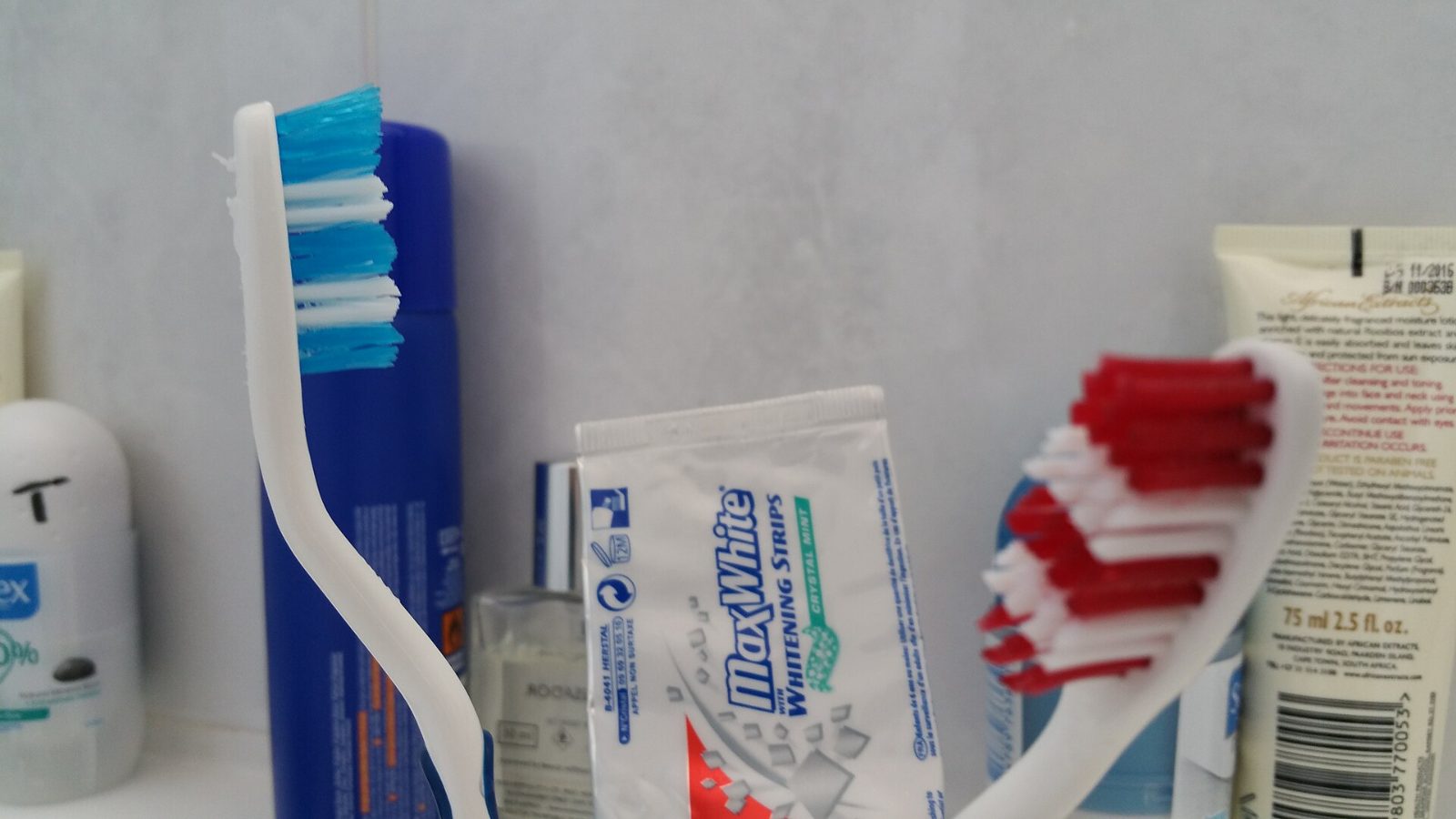
Caring for porcelain veneers is mostly about protecting the natural teeth and gums they are bonded to, and avoiding forces that can chip the ceramic. Brush twice a day with a non-abrasive fluoride toothpaste, clean between teeth daily, wear a night guard if you grind, avoid biting hard objects with your front teeth, and keep regular dental check-ups. Veneers resist stains well, but the edges and the teeth beneath still need attention.
In this guide
- Why veneer care is really tooth and gum care
- A daily routine that works
- What to eat and what to avoid
- Night guards and sports guards
- Professional care
- Products to be careful with
- The first few weeks after fitting
- Living with veneers in the UAE
- Signs that need a dental visit
- How long can veneers last with good care?
- Frequently asked questions
Why veneer care is really tooth and gum care
Porcelain itself does not decay. The tooth underneath, however, can still develop cavities, especially at the margin where the veneer meets the tooth. Gums can also become inflamed and recede if plaque builds up along the edges, which can expose the junction and make the veneer look less natural. Most veneer problems in the long run come from these two areas rather than from the porcelain failing.
A daily routine that works
- Brush twice a day for two minutes. Use a soft or medium brush, or an electric brush, and angle the bristles towards the gumline where plaque gathers.
- Choose a non-abrasive fluoride toothpaste. Very abrasive pastes, including some whitening and charcoal products, can dull the surface glaze over time.
- Clean between teeth every day. Floss, tape or interdental brushes reach the contact points and margins that brushing misses.
- Consider a fluoride mouthwash if your dentist recommends it, used at a different time from brushing.
- Check your gums. Bleeding when brushing is a sign of inflammation and a reason to clean more carefully and see a hygienist.

What to eat and what to avoid
| Habit or food | Risk to veneers | Practical tip |
|---|---|---|
| Biting ice, hard sweets, nuts in shells | Chipping or cracking | Crunch with back teeth or avoid |
| Biting into whole apples, crusty bread | Pressure on front edges | Cut into pieces |
| Nail biting, pen chewing | Repeated stress on edges | Break the habit early |
| Opening packets with teeth | Sudden force, chipping | Use scissors |
| Coffee, tea, red wine, smoking | Stain on bonding margins and natural teeth | Rinse with water after |
| Very acidic drinks | Can affect margins and nearby enamel | Use a straw, avoid sipping all day |
Porcelain is highly stain-resistant, but the thin cement line at the edge and any unveneered teeth can still pick up colour. If your other teeth darken while the veneers stay the same, the mismatch becomes noticeable. That is one reason dentists often recommend whitening before veneers rather than after.
Night guards and sports guards
Grinding and clenching, especially at night, are among the most common causes of chipped or loosened veneers. Many people do not know they grind until a partner or dentist notices. Signs include morning jaw ache, headaches, flattened edges on teeth and tiny chips.
Protecting veneers from force
- Ask your dentist whether you show signs of grinding
- Wear a custom night guard if one is recommended; over-the-counter guards may not fit as well
- Wear a mouthguard for contact sports, cycling and martial arts
- Keep the guard clean and bring it to check-ups so the fit can be checked
Professional care
Regular check-ups let your dentist check the margins, gums and bite, and spot small problems early. During professional cleaning, the hygienist should be told about your veneers so they can choose suitable polishing pastes and instruments. Some coarse polishing products and certain ultrasonic techniques used carelessly can scratch the glaze or affect the margins.
Ask about the intervals that suit you. People with a history of gum problems often need more frequent hygiene visits.
Products to be careful with
- Charcoal powders and pastes, which are abrasive and can scratch the surface glaze
- Very abrasive whitening toothpastes, for the same reason
- Whitening gels expecting to lighten veneers, which will not change porcelain colour
- Alcohol-heavy mouthwashes used excessively, which some dentists suggest avoiding for composite bonding; ask your dentist about your own case
Our guide to whitening toothpaste explains how abrasivity varies between products.
The first few weeks after fitting
New veneers can feel slightly different to your tongue and lips, and the gums around them may be a little tender. During this period, brush gently but thoroughly right at the gumline, because tender gums can tempt you to brush less, which allows plaque to build up exactly where it does most harm. If floss catches or shreds on a particular edge, mention it at your review appointment, as a small rough spot or excess cement can usually be smoothed quickly. Report any change in your bite, such as one tooth hitting first, since an uneven bite puts extra force on the porcelain.
Living with veneers in the UAE
Daily life in the UAE often includes iced coffee, karak, dates and nuts, all of which can affect veneers. Dates are sticky and sugary, which encourages plaque at the margins, so rinse or brush after eating them. Hard nuts are better chewed with the back teeth. Long periods outdoors in summer can lead to dehydration and a dry mouth, and saliva is important for protecting teeth, so keep water at hand.
Signs that need a dental visit
Book an appointment if you notice
- A chip, crack or rough edge on a veneer
- A veneer that feels loose, moves or allows food to catch underneath
- A dark line developing at the edge of a veneer
- Bleeding, swollen or receding gums around veneered teeth
- Pain or sensitivity in a veneered tooth, especially to heat or on biting
A small chip can sometimes be polished or repaired with composite. A debonded veneer can often be re-cemented if it is undamaged, so keep it safe and bring it with you. Do not glue a veneer back yourself.
How long can veneers last with good care?
There is no fixed lifespan, and claims of a precise number of years should be treated cautiously. Many porcelain veneers last a long time when the bite is balanced, hygiene is good and grinding is managed. Our article on whether veneers are permanent explains what eventually leads to replacement and why the underlying tooth will always need a covering.
Veneers do not need special treatment, they need consistent ordinary care.
Frequently asked questions
Can I use an electric toothbrush with veneers?
Yes, electric brushes are generally fine and can help clean the gumline well. Use a soft head and avoid pressing too hard.
Do veneers stain?
Porcelain resists stains very well, but the edges and natural teeth can stain. Rinse after coloured drinks and keep up hygiene visits.
Can I whiten porcelain veneers?
No. Whitening gels do not change porcelain colour. If the shade no longer suits you, the veneers would need replacing.
What should I do if a veneer comes off?
Keep it safe, avoid chewing on that side and call your dentist promptly. It can often be re-bonded if it is not damaged.
Sources: American Dental Association, Oral Health Foundation, Dubai Health Authority
Cover photo: Deavmi, CC BY-SA 3.0. Last reviewed: 2026-11-25. General information only, not medical advice. Please consult a licensed practitioner in the UAE about your own situation.
Leave a Reply